
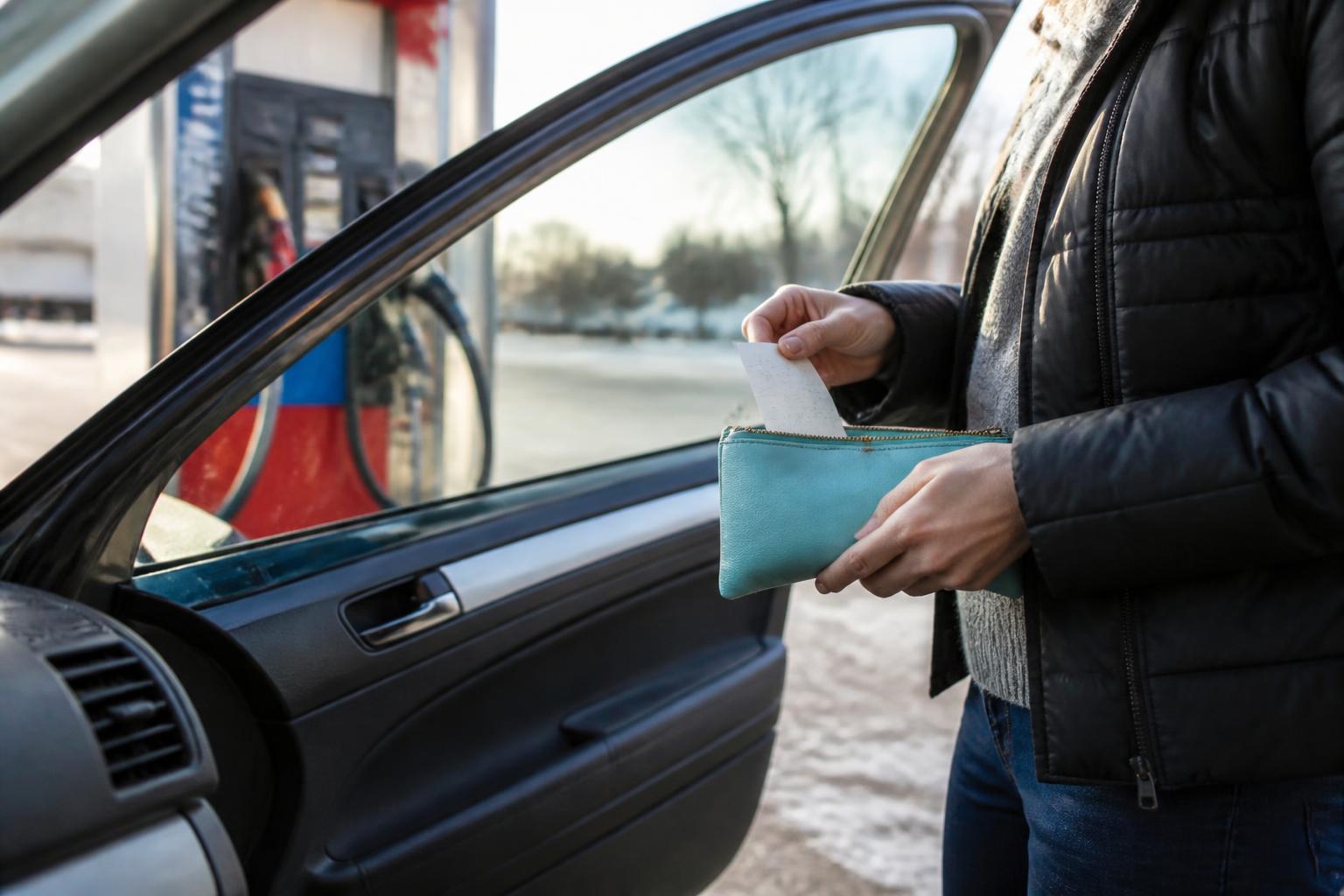
A current event gave the issue extra urgency: Lower gasoline prices were giving many households visible relief early in 2015. That relief helped only if drivers redirected part of it toward debt, savings, or car maintenance before it disappeared into ordinary spending. That made it more than evergreen advice. Policy context: EIA gasoline price analysis.
Cheap gas is one of those financial breaks that feels bigger than it is and disappears faster than it should. In early 2015, drivers in many parts of the country were paying far less than they paid the year before. For commuters, parents running school routes, and small-business owners with trucks on the road, the lower pump price created real monthly relief. The question is whether that relief becomes progress or just more untracked spending.
A lower gas bill is different from a bonus check. It arrives in fragments. Ten dollars saved on Tuesday, eight dollars on Friday, maybe thirty dollars over a two-car household in a week. Because the savings are scattered, they are easy to spend without noticing. A family that celebrates every cheaper fill-up with an extra restaurant meal may be happier, but it will not be financially stronger.
The better move is to estimate the savings and redirect them. Look at last year's average monthly fuel spending, compare it with the last month, and pick a conservative difference. If the household appears to be saving $80 a month, do not wait for the money to accumulate by accident. Set an automatic transfer for $50 or $60 to savings or debt repayment. Leave a cushion for price changes, but capture most of the gain.
Credit card debt is a strong first target. Paying down a balance at double-digit interest is one of the highest-return moves a consumer can make. BillSaver's credit card payoff guide explains why debt reduction can beat many investments on a risk-adjusted basis. If a household sends an extra $60 a month to a card balance all year, that is $720 of principal that would otherwise have been absorbed by the blur of daily spending.
Emergency savings is the other obvious target. Many families do not have enough cash to handle a car repair, medical bill, or insurance deductible without borrowing. Cheap gas can build the first $500 or $1,000 of protection if the savings are moved before they are spent. A separate savings account helps because the money needs a little distance from the debit card.
Be careful about permanent upgrades based on temporary prices. A lower gas bill should not justify a larger car payment or a longer commute unless the bigger decision makes sense at normal fuel prices. Oil markets move. Household budgets should not depend on today's cheapest pump price lasting forever.
The right attitude toward cheap gas is gratitude with a plan. Enjoy the break. Then make at least part of it visible on a credit card statement, savings balance, or emergency fund ledger. Money you never see can still change your life, but only if you tell it where to go.
Drivers should also remember the maintenance side of transportation. Cheaper fuel does not make bald tires, old brakes, or overdue oil changes cheaper to ignore. If gas savings are meaningful, reserve some of them for the car that makes commuting possible. A small maintenance fund can keep a predictable expense from turning into a credit card emergency.
There is another trap in cheap gas: it can make other transportation costs feel smaller than they are. A family may drive more, delay carpooling, choose a farther store, or stop thinking about fuel efficiency because the pump is less painful. That may be fine for a short stretch, but it should not become a permanent habit built on a temporary price drop.
Use the moment to look at the whole transportation line, not just fuel. Insurance, maintenance, registration, parking, tolls, and loan payments are all part of the real cost of a vehicle. If lower gas prices create room in the budget, some of that room should go toward the expenses that keep the car reliable. A $400 repair fund is not glamorous, but it is a lot better than a $400 credit card charge when the alternator fails.
Households with variable income can use fuel savings as a smoothing tool. Put the difference into a small account during cheaper months, then draw on it when prices rise or work slows. That turns a market swing into a budget buffer instead of a spending excuse.
The best proof that the plan is working will be visible by spring. If the card balance is lower, the emergency account is higher, or the car repair fund has started, the household captured the savings. If nothing changed except more unplanned spending, cheap gas was only a pleasant memory.
A family that wants to make the savings visible can pick one fuel day each month and transfer the difference immediately. It does not have to be exact. Even a rough estimate works if the money moves before the household finds another way to spend it.