The April Fed Hold Still Leaves Card Balances Expensive
The Federal Reserve held the federal funds target range at 3-1/2 to 3-3/4 percent after its April 28-29 meeting, keeping variable-rate card debt expensive for households carrying balances.
BillSaver archive
BillSaver news, guides, current posts, and practical money stories organized by publish date.
The Federal Reserve held the federal funds target range at 3-1/2 to 3-3/4 percent after its April 28-29 meeting, keeping variable-rate card debt expensive for households carrying balances.
BLS March CPI data put gas, food, utilities, and other household costs back in focus just as families were looking toward summer spending.

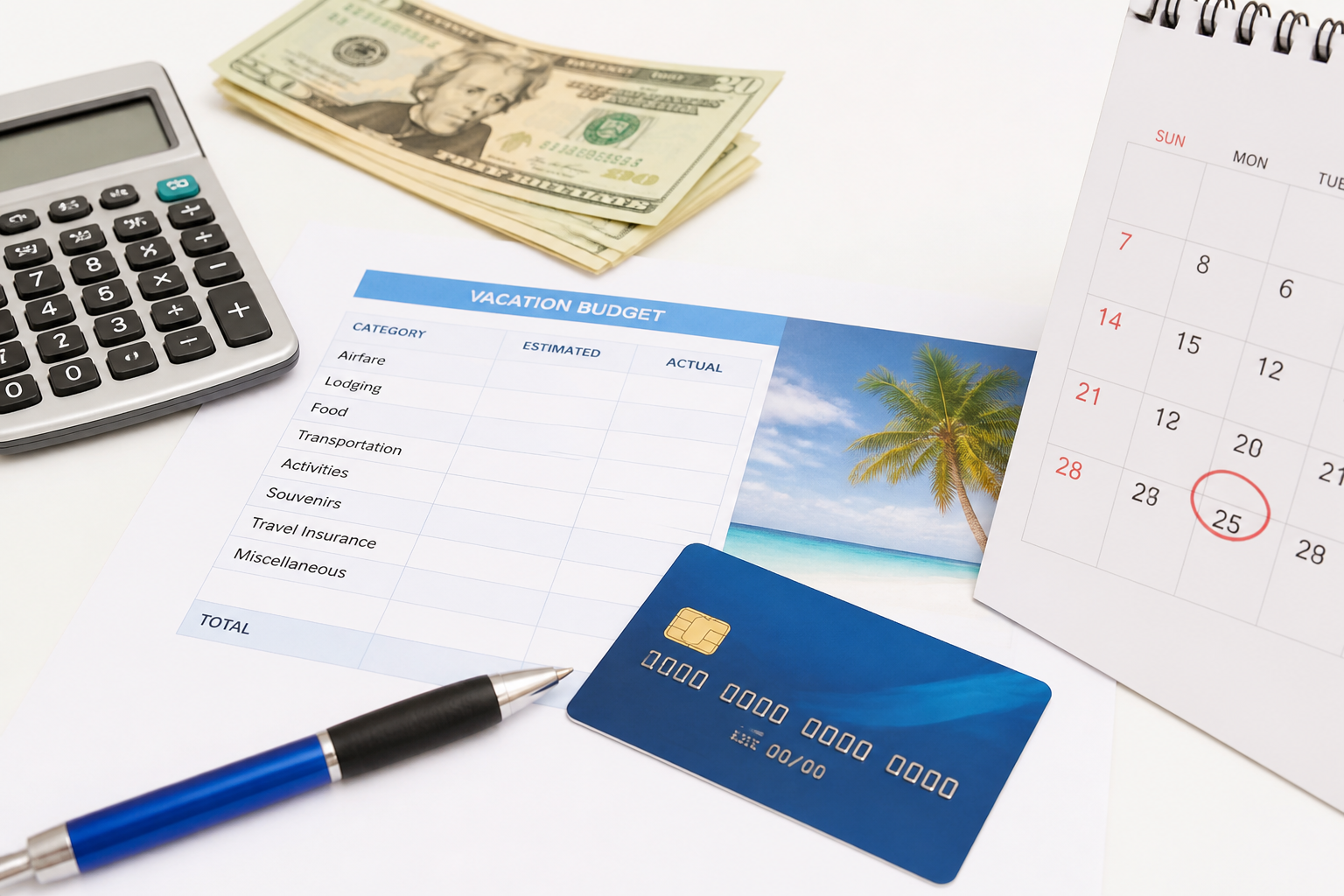
As summer travel booking began, DOT refund rules kept cancellation terms, baggage rules, credits, and card payoff timing in the same decision.
The earlier 2026-27 FAFSA launch gave families more time to compare aid, but spring decisions still had to translate award letters into four years of debt.
The April 15 deadline also put the first 2026 estimated tax payment in front of freelancers, small-business owners, investors, and other taxpayers with income not fully withheld.
Energy credits remained part of 2026 home-upgrade planning, but eligibility, receipts, contractor paperwork, and payback math still decided whether the project fit.
The 2026 tax deadline falls on Wednesday, April 15, making payment choices urgent for filers who know they owe.
The Federal Reserve held rates steady again on March 18, 2026, keeping mortgage quotes, card APRs, savings yields, and home equity borrowing in the same household conversation.
Spring tornado and severe-storm season made insurance photos, emergency contacts, and reachable deductible cash more useful before any warning arrived.
By early March, the 2026 filing season had moved from announcement to execution, and scattered forms could still delay a clean return.
New York Fed household-debt data showed mortgage and credit balances still expanding as the 2026 spring buying season approached.
Medical-care costs were still part of the 2026 inflation conversation, and a provider bill could become expensive credit card debt if handled too quickly.
BLS January inflation data arrived before Presidents Day weekend, making it a timely moment to price the whole car instead of only the loan.
After the January Fed hold, shared cards and shared bills still carried high-rate consequences if one partner treated a balance as background noise.
The Federal Reserve held rates steady on January 28, 2026, leaving card balances, home equity lines, and savings yields to be managed account by account.
The Education Department delayed some involuntary federal student loan collections in January 2026 while repayment changes continued to move toward borrowers.
With the IRS encouraging electronic filing and direct deposit for 2026 refunds, bank details and bill timing deserved attention before the return was sent.
The IRS set January 26 as the opening of the 2026 filing season and April 15 as the deadline to file 2025 returns and pay tax due.
After the December Fed cut, the first week of 2026 still called for a cash plan built from bills already on the calendar, not optimism about lower rates.
A household looking for a clear 2026 target should start with the balances charging the most interest.
The final Monday of 2025 is a good day to build the 2026 budget around paydays and due dates.
The end of 2025 is a good time to compare deductibles with the cash the household could actually reach.
The Federal Reserve cut rates in December 2025, but household debt still needed account-by-account review.
Holiday balances heading into 2026 need a payoff date before they become ordinary debt.
Year-end 2025 tax planning still required receipts, charitable records, clean-energy paperwork, and withholding checks.
The most honest subscription audit starts with the card statement, not memory.
Unused travel credits, vouchers, and card benefits can disappear if nobody tracks expiration dates.
The end of 2025 is a good time to compare deductibles with cash that could actually be used.
Giving Tuesday appeals can be real and urgent, but fake links and lookalike names still deserve suspicion.
Holiday travel cards should be chosen for protections, fees, refund rules, and payoff timing before rewards enter the conversation.
Year-end tax planning is easier when charitable receipts, energy-credit documents, business records, and withholding notes are in one place.
Family help can be generous and still put the giver's budget at risk.
Giving Tuesday appeals work best when generosity is paired with simple verification.
Helping family can be right and still require a limit that protects rent, food, savings, and debt payments.
Buy now, pay later offers can make holiday purchases feel smaller by moving the pain into later weeks.
Buy now, pay later offers can create several small due dates that collide with rent, utilities, and card bills.
Holiday shopping in 2025 met card APRs that made every carried balance more expensive.
Holiday shopping in 2025 still needed to respect credit card APRs before rewards, points, or limited-time deals.
Open enrollment for 2026 benefits required a fresh look at premiums, deductibles, prescriptions, and worst-case cash needs.
Medicare Part D changes for 2026 made prescription costs a budget item worth checking before the new year.
Medicare open enrollment is the yearly moment to compare prescriptions, pharmacies, premiums, and plan rules.
The Education Department announced the 2026-27 FAFSA was available earlier than the traditional deadline.
Medicare open enrollment is the annual chance to compare prescriptions, pharmacies, premiums, and plan rules.
The September 2025 Fed meeting gave households another reason to compare savings yields and variable debt costs.
Open enrollment for 2026 benefits should start with expected care and cash reserves, not loyalty to last year's plan.
September budgets had to handle rate headlines without pretending every household debt would improve at the same speed.
Credit reports deserve a fall review before new loans, leases, cards, and holiday financing enter the picture.
Payment apps are ordinary household tools, but linked accounts, instant transfers, and privacy settings still deserve a review.
Labor Day auto promotions can make buyers think about monthly payments before insurance, repairs, and total interest.
Labor Day auto promotions can make monthly payments look manageable before insurance, taxes, and repairs are priced.
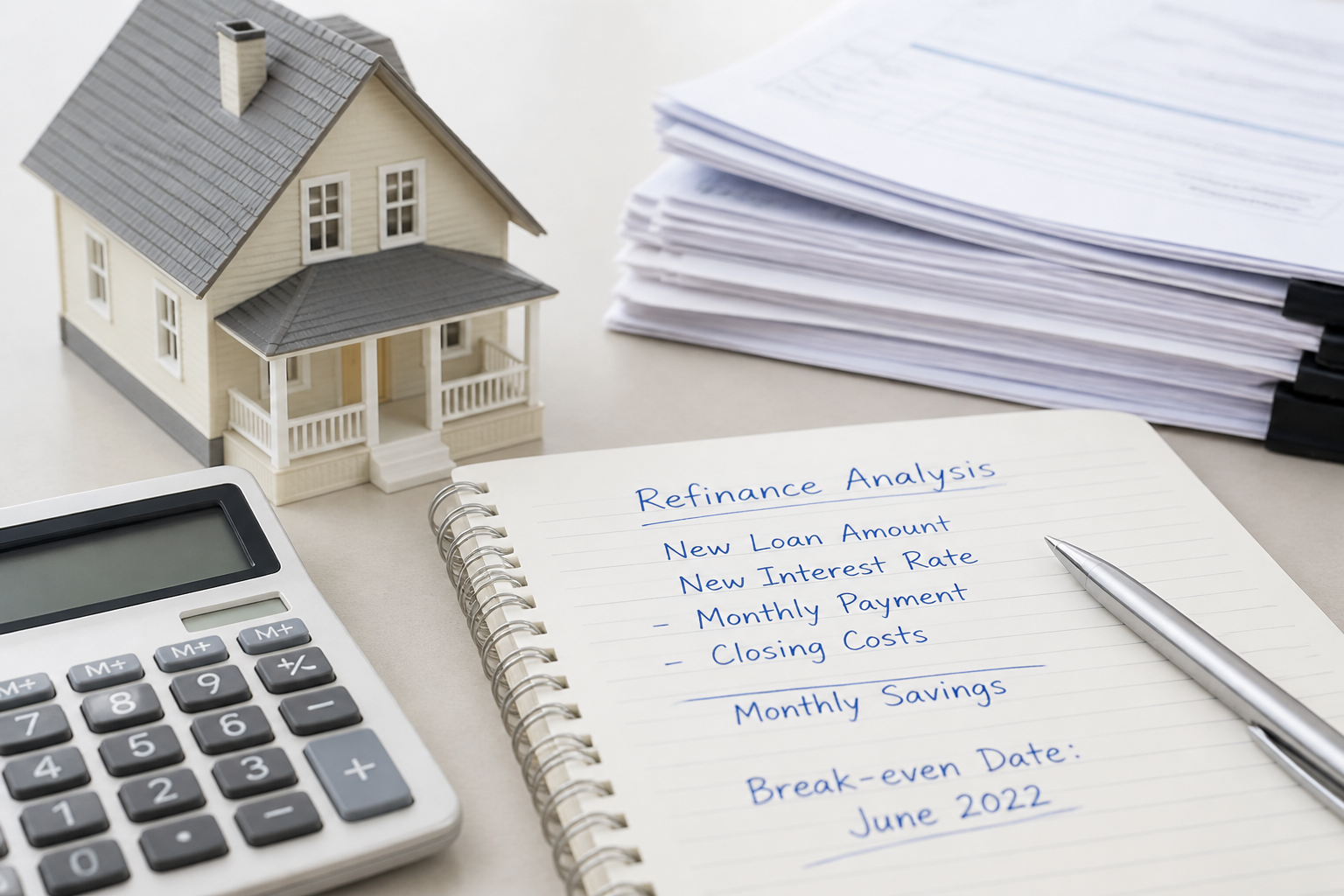
Lower-rate hopes brought refinance ads back into view, but homeowners still needed break-even math.
The FAFSA calendar works better when families handle logins and contributor access before school deadlines start piling up.
The Education Department opened a beta path for the 2026-27 FAFSA in August 2025, moving financial-aid preparation earlier.
Parents adding students as authorized users should set rules before the card is needed on campus.
Late-summer apartment moves can stack application fees, deposits, utility setup charges, and moving costs in the same month.
Parents who send students to campus with authorized user cards should not rely on vague instructions.
Late-summer apartment deposits, utility setup fees, and moving costs can hit before the semester or lease budget is ready.
Auto insurance renewals can change enough to deserve a fresh comparison instead of an automatic payment.
College move-in brings checking accounts, payment apps, parent transfers, card alerts, and emergency money into daily use.
Students heading to campus need payment app rules as much as checking account access.
Midyear statements can show whether interest charges are eating more of the budget than rewards are giving back every month.
Back-to-school spending in 2025 could blend required supplies with devices, apps, subscriptions, and accessories.
Prime Day 2025 was announced as a four-day event, making one-click buying and saved cards even easier to overuse.
The June 2025 Fed meeting kept variable-rate borrowing and home equity lines in the same conversation.
Storm season is a practical time to ask whether the household could actually pay the deductible it chose.
Homebuyers still needed a payment range that worked without betting on perfect rates.
Mortgage loans can be sold or transferred without changing the loan terms, but the payment routine still needs attention.
The first hot bills of the year are a good time to separate higher usage from higher rates.
Wedding season is a useful moment to clear up myths about joint accounts, authorized users, and shared debt.
Holiday-weekend travel can make hotel holds, rental-car deposits, baggage fees, and gas purchases hit at once.
Auto insurance renewals in 2025 gave households another recurring bill worth shopping carefully.
Spring and summer trials can quietly become real subscriptions once the family calendar gets busy.
Spring storm season is a reminder that the premium is only one part of the real insurance decision.
Borrowers with student loan payments back in the budget needed to test whether summer spending was crowding out the due date.
Summer travel cards can help with protections and rewards, but only if the trip is paid off quickly.
Before hurricane season, households had time to review wind, flood, and named-storm deductibles before weather turned urgent.
Federal student loan borrowers in 2025 still needed to rebuild payment habits after the pandemic pause and on-ramp period.
Summer travel cards can help with protections and rewards, but fees and payoff timing still decide whether the trip fits.
Families comparing college offers in 2025 needed to look beyond freshman-year aid and sticker-price excitement.
Taxpayers short on cash near the April deadline could solve one problem with a card and accidentally create a more expensive one.
Families comparing college offers in 2025 had to account for tuition, housing, food, travel, fees, and borrowing costs.
Energy credits can help, but households still need eligibility, receipts, and payback math before financing a project.
Energy credits kept home upgrades in the conversation in 2025, but paperwork and payback still mattered.
The April 15 deadline still required taxpayers who owed money to separate filing from payment strategy.
Federal Reserve meetings in 2025 kept savings yields, mortgage rates, and card APRs in the same household conversation.
Borrowers with federal student loans in repayment needed to make sure the payment plan still fit income and family size.
Medical credit offers can show up when families are already stressed and trying to say yes to care.
Spring break travel can scatter card use across gas stations, hotels, rental counters, apps, and airport purchases.
As the 2025 spring market opened, homebuyers still needed affordability math that worked without assuming rates would fall on schedule.
As the 2025 spring market approached, buyers had to think about monthly comfort before chasing a quoted mortgage rate.
Wireless bills can carry old lines, device plans, insurance, and add-ons long after the household stopped noticing them.
Presidents Day auto ads in 2025 still leaned on monthly payments while buyers faced high financing and insurance costs.
Car buyers in 2025 needed to price insurance before letting a monthly payment define affordability.
Shared credit cards, authorized users, and recurring subscriptions work better when the payoff agreement is written before spending starts.
Shared cards, shared rent, and shared subscriptions work best when both people can see the bill before it becomes a balance.
The Federal Reserve held rates steady in January 2025, leaving borrowers to manage costs that were still high at home.
The 2025 filing season made refund timing tempting to treat as guaranteed money, especially for households already juggling winter bills.
Tax refund season can help, but one deposit should not carry the entire savings plan for 2025.
As tax forms began arriving, refund expectations were less useful than a sober look at paycheck withholding and credits.
High credit card balances and delinquency concerns kept consumer stress in the news in early 2025.
January wireless bills can reveal promotions that expired, device payments that lingered, and add-ons nobody meant to keep.
The IRS announced a January 27 opening for the 2025 filing season, giving taxpayers a clear starting point for 2024 returns.
January 2025 medical-debt credit reporting news was about to put credit reports and old medical bills back in front of households.
The first week of 2025 called for a budget that admitted how long higher prices, higher rates, and larger minimum payments had been hanging around.
The Federal Reserve's December 2024 move changed rate expectations, but credit card balances still needed payoff attention.
Holiday balances heading into 2025 needed a payoff date because card rates were still punishing.
Unused airline credits, vouchers, card travel benefits, and refund notices can expire quietly if nobody searches for them before year-end.
Giving Tuesday appeals move quickly, and fake links can move just as fast.
Family help around the holidays can be generous and still put the giver's own bills at risk.
Buy now, pay later offers can make holiday purchases feel smaller by spreading them across future paychecks.
Holiday shopping started early for many households in 2024, which made the card APR more important before the first cart filled up.
Halloween spending often opens the door to two months of small holiday purchases that never get added together.
Hurricane Milton kept insurance deductibles, flood risk, evacuation costs, and claims paperwork in the spotlight.
After Helene, many households faced repairs, deductibles, temporary lodging, and delayed reimbursements.
Peak-season storm preparation can become a household finance issue as much as a safety issue.
Ahead of the September 2024 Fed decision, savers and borrowers had a reason to compare current account rates instead of waiting for relief.
September rate talk only helps households when it is translated into current card APRs, savings yields, loan payments, and renewal notices.
Early fall is a practical time to check credit reports before leases, loans, new cards, and holiday financing start competing for attention.
Labor Day auto promotions can make the loan payment feel like the whole decision even when insurance is the number that strains the budget.
Late-summer refinance ads can sound more tempting when rate-cut talk grows louder, but the math still starts with closing costs and the break-even month.
Parents adding students as authorized users before the semester starts need rules before the card ever leaves home.
Late-summer move-in costs can crowd deposits, application fees, utility setup, insurance, and the first grocery run into the same few paychecks.
The student loan on-ramp kept some worst consequences away for a while, but it did not make missed payments harmless to cash flow.
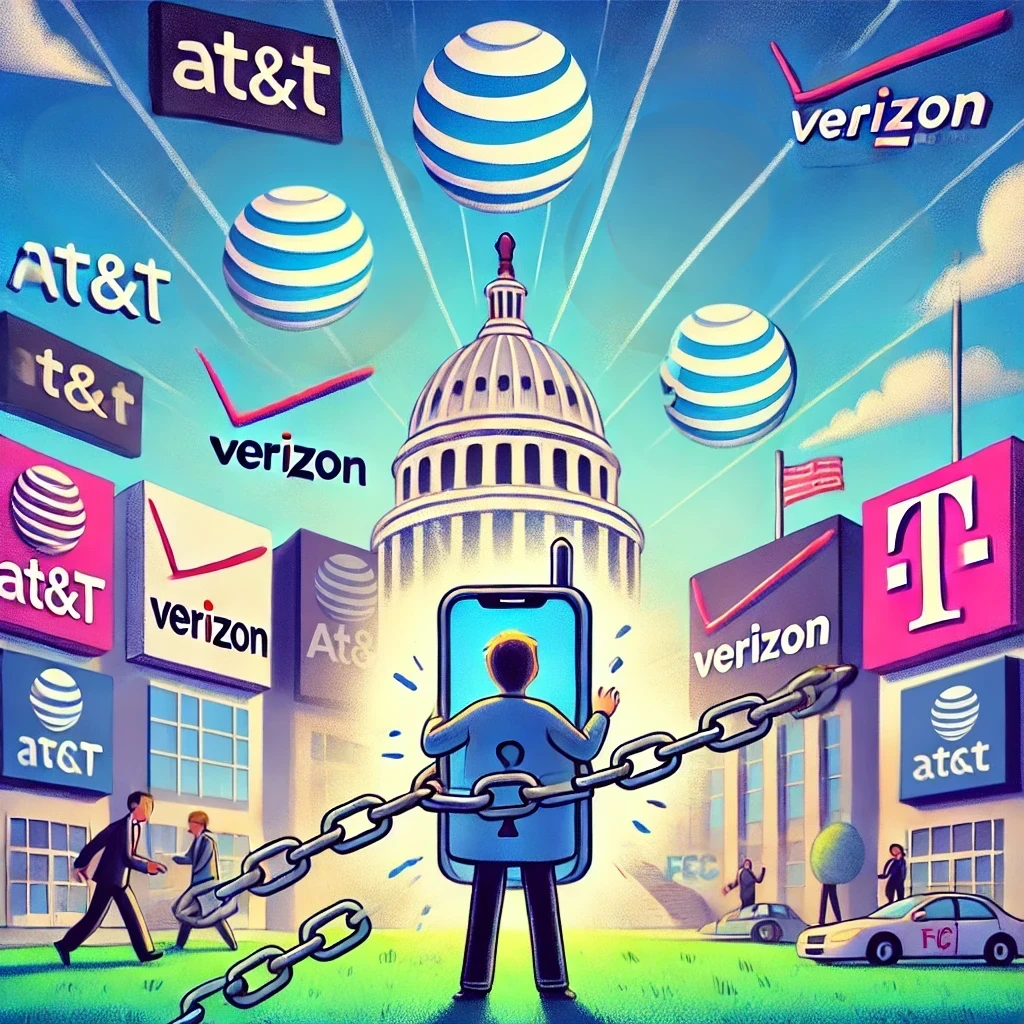
The FCC's 2024 phone-unlocking proposal put carrier switching, device locks, and household wireless flexibility back in the news.
Back-to-school shopping in 2024 mixed supplies with laptops, tablets, phone upgrades, apps, and delivery fees.
Prime Day 2024 was scheduled for mid-July, meeting credit card APRs that made payoff timing more important than rewards.
The Federal Communications Commission (FCC) has proposed a new rule aimed at simplifying the process of unlocking smartphones and switching carriers. FCC Chairwoman Jessica Rosenworcel announced the proposal on Thursday, June 27, as reported by The Verge. Key
When you get married, most things become a “joint” effort. You likely live together, share possessions and may even raise children together. Many married couples also have a joint credit card account. However, before deciding whether or not you want to apply f
Student credit cards can be an excellent way for young people to manage their money and build credit, but if they are used incorrectly, credit cards can put young adults on the road to financial problems. However, if students develop good credit card habits ea
Fourth of July travel can make points and protections look useful, but the payoff date still decides whether the trip fits.
When you are on the hunt for a new credit card, finding the best card for your credit profile can be one of your most important considerations. If you have poor credit, it is pointless to apply for a card aimed at those with excellent credit. You will probably
The CFPB's 2024 medical debt proposal put credit reports, disputed bills, and collection records back in front of consumers.
Summer utility bills can rise because of weather, rate changes, usage habits, and old equipment working harder.
When someone dies, their surviving spouse may face more than loneliness and grief. If the partner left behind debt on a credit card, the surviving spouse may also have to deal with that. Whether the surviving spouse is responsible for the debt depends on a few
It is hard to believe, but the summer of 2024 is almost here. It is likely that millions of Americans have made a resolution to lower their credit card debt this year. If you are one of them, we put together this guide to help you keep that resolution. Step 1:
The start of hurricane season is a good time to ask whether the household has flood coverage, not just homeowners insurance.
If you are looking to cut your expenses, you may have considered a cheap unlimited cell phone plan. However, are these plans worth the savings? While the price may be attractive, it is important to know there are also some drawbacks. Smaller Networks/ Basic Ph
It happens all the time. Someone takes out a mortgage with one financial institution and a few years later, the bank sells the debt to another entity. While this is common practice, you may be wondering why banks sell mortgages. While it is legal for a bank to
You know how important it is to save money—for emergencies, retirement and other goals—but you may be having a difficult time figuring out how to do it. Fortunately, there are a number of mobile apps available to help. Here are five of the best apps to get you
When people get engaged, they suddenly have to answer a number of questions about how they will spend the rest of their lives together. When will they get married? Where will they live? Should they combine their financial accounts? When it comes to that final
We all know it is smart to invest money, because it generally grows over time, which can bring us long-term profits. When we think of investments, stocks, mutual funds and bonds generally come to mind. While paying off credit card debt may not seem like an inv
On the front of every debit and credit card is an expiration date. Usually, this date is simply the month and the year, which leaves users to ponder: do cards expire on the first or last day of the month? Most credit cards do not expire until the last day of t
Cutting expenses and saving more are financial goals we all have. However, many people struggle to figure out how to cut spending. Here are five things you can do without each month. 1. Landline Phones If you have a cell phone (and 95% of Americans do), you ma
If you get behind on your income taxes, student loan payments, or child support, a government agency can garnish a percentage of your wages to pay the debt. What you may not know is that creditors can also remove funds from your bank accounts, which is called
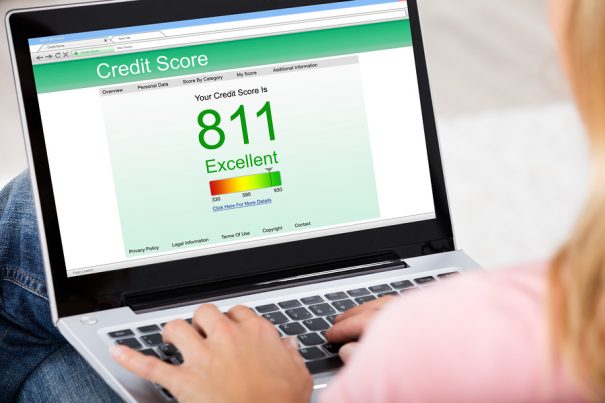
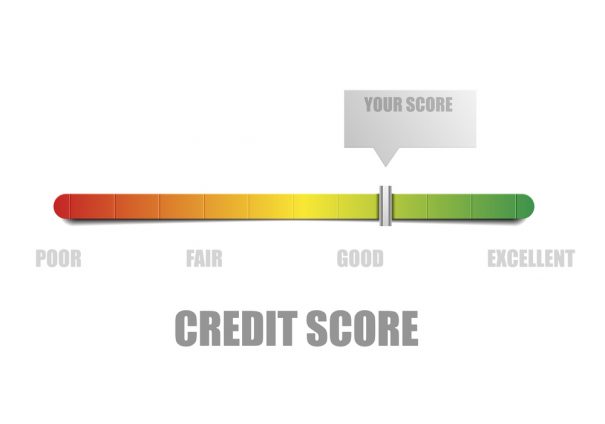
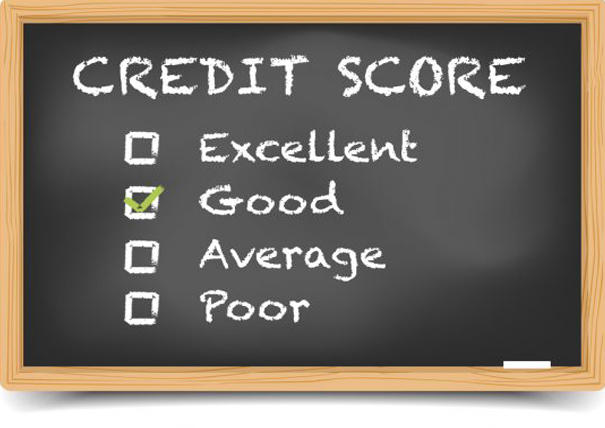
Your credit score is a three-digit number that can make or break your financial future. It represents your payment history and helps potential lenders predict your ability to make future payments. Every time you use your credit card, miss a payment or go over
When used incorrectly, credit cards can be an expensive way to pay for goods and services. The golden rule of credit card use is to pay off your full balance on time each month. If you do, your credit card will become an excellent financial tool, as it provide
If you are eco-conscious and have had a credit, debit, or gift card expire recently, you may be wondering if you can recycle the plastic. The simple answer is yes, but in most areas, you cannot simply toss it into your curbside recycling bin. Credit cards are
There are few things in life more embarrassing than having your credit card declined. Even worse than the embarrassment is the lack of information offered by the merchant. There are actually many reasons a credit card can be declined that have nothing to do wi
Gaining a clear understanding about credit scores and credit reports can be difficult, and this lack of clarity is not accidental. The companies that issue credit scores do not share the formula they use to generate the score, which is one reason why people ar
Knowing what factors affect your credit score is a bit like knowing what questions will be on an important exam. If you know what will be asked, you will know where to focus your studying efforts. It is the same with building your credit. If you know what thin
Many Americans regularly receive offers from credit card companies, which offer 0% interest rates on balance transfers. These offers look tempting, but are they worthwhile? Balance transfers can be a good way to save money on interest charges. However, they co
If you are trying to build or rebuild your credit, obtaining a credit card can be the best way to increase your score. However, if you do not have a solid credit history, it may be difficult to get approved for a card. It’s a paradox. How can you build good en
You are probably familiar with classic retirement investments, such as an IRA or an employee-sponsored 401(K) plan. What you may not know is that there are a number of other investment opportunities, and many experts, including PricewaterhouseCoopers, have sai
Most people know that a low credit score and problematic credit report can prevent them from purchasing a home, financing a new car, or getting a good interest rate on a credit card. However, what is not as clear is whether poor credit can affect your chances
Since your credit card has an expiration date, you may worry that it will get cancelled if you are not using it. While this is a concern to keep in mind, most credit card issuers will not cancel your card unless you request that they do so. There are, however,
Credit card rewards have become a major benefit to consumers who use their cards responsibly. If you pay off your balance in full each month, you can actually make money by paying for goods and services with your credit card. It is important to know that credi
Did you know that there are different types of term life insurance policies you can apply for? Many insurance companies will offer term life insurance without putting it into a category, but that doesn’t mean they are all created equal. You have to assess the
If your credit score is lackluster, you know how difficult it can be to get a credit card. People get into dire financial situations for many reasons, including being laid off in a poor economy, but regardless of the reason, a bad credit score can stop you fro
Can I sell my term life insurance policy? Can I cash my term life insurance? Can I use my life insurance to pay off loans? We see these questions all the time. When you start pouring hundreds of dollars into your life insurance policy, it’s logical to wonder h
If you are in the market for a new credit card, there are a number of things you want to consider. You do not want to apply for the first card that catches your eye, as different credit cards are designed for different people. You will want to make sure any po
You may have heard experts say you should never close a credit card, as it could damage your credit score. Others may say you simply need to choose one credit card to keep open forever. Which of these theories is correct? To answer this question, we need to ex
We are used to things moving quickly in the modern world. We have fast phones, fast cars and fast computer processors. Since we are no longer accustomed to waiting, we seem to think everything moves at the speed of light. Because of this attitude, many believe
Many people cut up their credit cards to stop themselves from using them, but it is important to remember that this does not close the account. To do that, a cardholder must contact the credit card company and ask them to close the account. While this may not
If you owe money on several credit cards, you may be struggling to keep up with your monthly payments. It can be difficult to keep track of how much you owe and to whom, and coming up with even the minimum payments can be a challenge–let alone trying to pay of
If you feel as if you have too many credit cards, you may be tempted to cancel the cards you are not actively using. While this is a good way to minimize the chance you will get into debt, it could hurt your credit score. So, what exactly happens when you canc
While a 401(k) is an excellent option for saving for retirement, especially if your employer matches your contributions, it is important to understand your tax obligations on these accounts. When you retire, you will need to pay taxes on your 401(k) withdrawal
When you purchase a new phone, your carrier will offer you cell phone insurance. The price, which can range from $8 to $15 per month, will vary by carrier and by the options you choose. Whatever the cost, insurance is intended to give you a replacement device
Many people want to improve their financial situation but are unsure of where to start. As with any other skill, it is a good idea to look to the experts for advice. If you are ready for a change, start with these eight spending and savings habits of millionai
We all know that a low credit score can affect the interest rates you are offered on credit cards, mortgages, and auto loans, but can a poor credit score affect the rate on your car insurance? Unless you live in California, Hawaii, or Massachusetts, where it i
You probably understand the importance of saving for retirement. However, what may not be as clear is which type of investment account, 401(k), IRA or Roth IRA, is best for you. Before deciding , it is important to know the difference between the three. 401(k)
Receiving a credit card is a major first step in your financial life, but it can also take you down a road of debt if you do not use your card responsibly. Often, people believe that only the young get into financial trouble with credit cards, but the truth is
While the economy is improving, millions of Americans will experience job loss at some point in their lives. Sadly, even if you lose your income, you will not lose your expenses, and there is no magic spell that will dispel your bills. However, there are some
Monitoring your credit is always a good idea. Not only will it help you track your credit worthiness, which is essential if you have a major purchase such as a home on the horizon, but it can also alert you to fraudulent activity. What are the best ways to mon
An emergency savings account is of the utmost importance. If you are a homeowner, there are a number of unexpected expenses that could occur, such as needing to replace your furnace or roof. Even if you are not a homeowner, you may need a new car or face unexp
Building or rebuilding your credit can seem to take an eternity when you are desperate for a higher score. One of the fastest ways to raise your score is by using credit cards responsibly. However, while it would be nice to watch your score grow in just a few
Income can fluctuate. While some people earn a consistent annual income, others may receive bonuses, overtime or work non-traditional, freelance jobs. Once you apply for a credit card, how do credit card companies verify the income your report? Income Verifica
When you go to sign up for life insurance, it is logical to wonder what all it covers. What will term life insurance pay for? Burial costs? Car payments? Family income? What can I use term life insurance for? These are all questions that you need to go through
Earning credit can be a frustrating process, as you cannot get approved for a loan or credit card without already have a credit history that proves you can be trusted with a loan. When you first start building credit, it may seem as if no one is willing to giv
If you get behind on the payments on your credit card, it is possible their card issuer may take them to court to collect the outstanding balance. Since dealing with collections is so stressful, it is helpful for debtors to understand how the process works so
If you are in the market for an automobile, you may have heard horror stories about people who waited to finance their vehicle until they hit the dealership floor, particularly if that individual went to a buy-here, pay-here lot. You may have even been told yo
Many believe that “bad” and “no” credit are the same thing, but this is a myth, as both send a different message to creditors. In both cases, you should work to build a good credit history, but which is worse? And, how can you improve your credit score? Bad Cr
When people think of credit cards, they often think of “debt” and forget that they are called “credit” cards. When used correctly, credit cards can actually help you build credit. However, the reason many cardholders accrue too much debt is that they are not u
If you are shopping for a mortgage, you may have noticed that rates can fluctuate from one week to the next. Small increases can add up quickly, depending on the amount of your loan. What makes mortgage rates fluctuate? There are a number of factors. The Feder
While many people see credit cards as the path towards fiscal irresponsibility, they can actually help you build business and personal credit. To reap the benefits, though, you need to know how to use them to your advantage. Understanding Credit Cards It is im
If your credit has improved or your financial situation has changed since you first took out your mortgage, you may be considering refinancing your home. We put together a step-by-step guide to help you through the process. Step 1: Is refinancing the right cho
Most taxpayers would face an April 15 federal filing and payment deadline in 2024, and owing money required a plan before the final week.
Though the holidays are behind us, many Americans are still paying for purchases made with their credit cards. To avoid costly interest charges, cardholders will want to pay off their credit cards as soon as possible, and one way to do that is to make micropay
This week's March 2024 Fed meeting kept borrowers focused on the cost of variable-rate debt even before any immediate relief arrived.
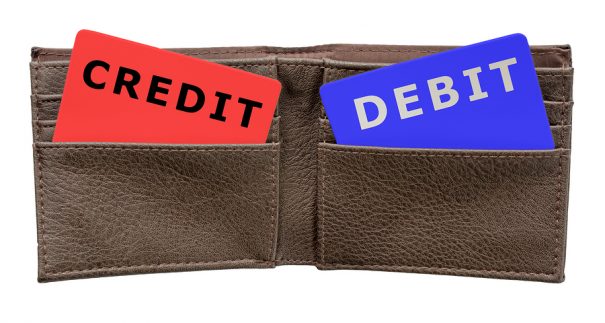
At a glance, debit and credit cards look exactly the same. They both have the identical number of digits, are the same size, carry the same identifying information and have the logo of a payment network on them, such as American Express, Mastercard or Visa. Ju
You may have received an offer for a 0% APR on balance transfers, and you may be tempted to sign up for it. After all, 0% APR will allow you to save money on interest charges, and since you will not be accumulating new interest charges, you can pay off your ba
If you are running low on cash, it may be tempting to use your credit card at an ATM or try one of the convenience checks included with your credit card statement. Before you do either of these things, though, it is important to read your credit card’s terms a
The CFPB finalized a credit card late-fee rule in March 2024, putting penalty fees and card statements back in the spotlight.
The terms “debit card” and “credit card” sometimes seem to be used interchangeably; however, there are major differences between these types of cards. Depending on the situation, these differences may make one card more favorable than the other. Here, the focu
In a finance-driven world, having a low credit score can really hurt you, especially if you are in the market for a home, car or credit card. The good news is that, no matter how your credit score took a hit, there is a way to improve matters. If you follow th
There are a number of options when you begin earning a large number of rewards points on your credit card, and you may be unsure as to which option is the best for you. Should you spend them right away? Save them for later? Should you use them to buy something
Human beings could not accurately measure the second until the late 16th Century, but today, society has learned to move at such a fast pace that standing still for a mere 15 seconds can seem unbearable. Unfortunately, that’s about how long it takes to complet
According to the Pew Research Center, 95% of Americans own a cell phone, and 77% own a smartphone. Since cell phones are such a large expense, we compiled some tips to help you save money on your monthly cell phone bill. Avoid Data One of the easiest ways to c
If you are starting a small business, it is important to have available capital and credit lines to avoid cash flow problems as you grow. Often, new businesses do not have much cash on hand, so it is a good idea to get a business credit card. It is not wise to
If you are unhappy with the interest rate or monthly payment on your car loan, you may be wondering if you can refinance the loan. The answer is, yes. However, there are a number of factors to consider before making this leap. Reasons to Refinance Your Car Loa
Credit card issuers consider a number of factors when determining your credit limit. Like any business, no financial institution wants to lose money, so every decision they make is based on the potential risk of extending someone credit, which is why your inte
Nearly three-quarters (74%) of Americans have a smartphone, according to Pew Research, and if you are one or looking to become one, you need a data package. Data is what allows you to connect to the Internet with your phone to check your email, use apps, brows
Term life insurance is given its name because it lasts for a certain period of time. The length of the term for the policy will determine how long your coverage remains effective at a certain rate. There are pros and cons to picking short terms over long terms
If you have several credit card balances, paying all of them can be difficult. To make your life easier, you may want to consider consolidating your debt. When you consolidate your credit card debt, you put all of your balances on one credit card. You pay that
Student loan debt has hit more than $1.3 trillion in the United States, and a report found that the average for a Class of 2016 graduate is carrying $37,172 in student loans, according to a recent report from Forbes. The same report found a total of 44.2 milli
Term life insurance is one of the most affordable ways to protect your family in the event of a serious accident. If you pass away abruptly, unexpectedly, and unprepared, term life insurance will provide your loved ones with the money they need to pay your fin
Without a line of credit, it is impossible to build or rebuild your credit. Checking accounts and debit cards will not help because a financial institution must loan you money to report positive information to the three major credit bureaus. However, if you ha
If you own a small business, you can build credit for your business, just as you can build your own credit. Your business will get a credit score similar to your personal credit score, but instead of representing your ability to pay back debt, it will reflect
While credit cards can sometimes get a bad rap for high interest rates and fees, there are many benefits to savvy consumers that are unmatched by other payment options. As long as you can pay off your credit card each month, your plastic can be the best way to
Anyone who has ever dropped their cell phone in a body of water knows how quickly this will kill the device. Electronics and water just do not mix. While we generally do not think of credit cards as electronic devices, they do use technology that is similar to
When you first open a credit card, your credit limit is based on your credit score at that moment. If you maintain a high score, make payments on time, and use credit responsibly, your credit card company may decide to raise your credit limit. What many do not
If you have a tendency to max out your credit card, you may be looking for new ways to make necessary purchases. The Problem with Maxing Out Your Card Maxing out your credit card will negatively impact your credit score, as one of the largest factors in determ
The Federal Reserve left rates unchanged at its January 2024 meeting, but that did not make revolving card balances cheap.
If you have a 401(k) account and need cash, it may be tempting to tap your retirement for a loan. Legally, you can borrow up to $50,000 or half the balance of your account (whichever is less). You will also be paying yourself back, so any interest will go to y
People love holiday shopping, but they do not care much for the credit card bills that start coming in January. Once the warmth of the holidays has passed, many are left with the cold hard task of paying credit card bills. However, there are several steps you
While anyone can obtain a prepaid card, many believe they can only be used as gifts or are only for those who cannot qualify for a credit card. However, prepaid cards offer a number of special benefits to consumers. Here are some of the most common reasons peo
If you are in the market for a mortgage or car loan, you probably understand how important it is to have a high credit score. The better your score, the lower interest rate and more favorable terms you will be offered on a loan. If your score is less than stel
If you are looking to trim the fat from your budget, you may want to look at lowering your utility costs. There are a number of small changes you can make to lower your monthly bills. 1. Better Insulate Your Home If you own your home, there are a few steps you
Many people want to raise their credit limit on their credit card so that they have more money available to them. However, there are times when lowering your credit limit could be a good idea. If you are thinking about lowering your credit limit, you will firs
Many people believe buying a home is a good investment and that it is always a better financial decision than renting. That might not be true in all cases. There are times when renting can be smarter than buying. The main argument for buying a home is that it
It may be odd to think of your credit score as an asset, but that is exactly what it is. If you have a high credit score, you can rent an apartment or get better interest rates on mortgages and car loans. Credit scores are also being used to set insurance rate
You probably know you need a better place to store your money than a sock drawer, but if you do not yet have a bank account, you may be asking yourself, “Should I open a checking or savings account?” Before making a decision, it is important to know the differ
The first step you take towards building a credit history could be taken when you get your first credit card. When you use a credit card responsibly, you can raise your credit score. However, if you use your card foolishly, you can find yourself in deep debt q
The term “net worth” sounds like something only the rich and famous would talk about to one another. But we should all try to increase our net worth. There are a number of moves you can make to begin increasing your net worth. Step 1: Determine Your Net Worth
Being without a credit card can be a major hassle, so it can be stressful waiting to receive a new or replacement card in the mail. Exactly how long will it take to receive the new card? Generally, most credit card companies will tell you that it will take 7 t
For most people, their credit score is simply related to their credit card limits and interest rates. However, your score affects more than your ability to obtain and use credit cards. In fact, your credit score can affect your ability to rent a car or lease a
If you are an adult, chances are good that you have a checking account. It is the easiest way to cash your paychecks and pay bills. However, what you may not know is that some checking accounts will also pay you interest on your balance. If you regularly carry
In the past, if you wanted to open a bank account, you had to drive to your local branch and speak with an account specialist. Now, there is a new game in town: online banks. You may have heard of them, but you may not know exactly how they work. Online banks,
How Do Prepaid Cards Work? A prepaid card is one that you load with money. You get a card, and you deposit as much money into your account as you want. Once money is loaded on the card, which is usually backed by Visa, MasterCard, Discover or another card issu
The reason why most people choose term life insurance over other life insurance policies is because it is incredibly affordable. For less than the cost of your fast food bill each month, you could get thousands of dollars in coverage to pay for your final expe
The IRS set January 29 as the start of the 2024 filing season, which gave households a clear runway to gather forms before refunds became the focus.
Many credit cards offer some very attractive rewards. The challenge is knowing how to get the most out of your credit card rewards program. Making just a few simple spending adjustments can have a major impact on the amount of rewards you earn. When used prope
There are many forms of life insurance policies in the world, and one that often throws people for a loop is an accidental death policy. This is a special form of insurance that only pays out if you did by an external accident, like a car wreck or a plane cras
Summer is quickly approaching, and unfortunately, millions of shoppers are probably spending more than they can afford. Card issuers are adding to the debt problem. Mailboxes may have some attractive credit card offers as companies market their balance transfe
Most adults have taken a financial wrong turn at some point in their lives, and where credit cards are concerned, there are many potential pitfalls. To help you make better decisions, we have compiled the ten most common credit card mistakes. Ideally, you can
Human beings are living longer than ever before, which is great news. The only downside is that this means you will need more in your retirement fund to last you through the years. If you are nearing the end of your working life, you may be wondering how you w
Most people know new cars depreciate the moment you drive them off the lot, which makes a new car a questionable investment. After all, you will probably owe more on the car than it is worth for quite some time. If you see a tempting new car offer, you may be
The most useful money lesson from 2023 is that boring details carried real weight: rates, due dates, deposit insurance, documents, and restart dates.
The final week of 2023 is the time to build a 2024 budget around debt that costs more than it used to.
A practical 2024 goal should show up on a statement: a lower bill, smaller balance, larger transfer, or better insurance fit.
A household can choose ambitious 2024 goals and still struggle if paydays and due dates do not line up.
Holiday balances heading into 2024 faced high credit card rates and tight household budgets.
Streaming, delivery, apps, cloud storage, and memberships can renew through cards nobody checks anymore, and some accounts also carry old passwords or shared logins.
Clean-energy credits made receipts, eligibility, and installation dates part of year-end tax planning in 2023.
Giving Tuesday appeals can be meaningful, but urgent emails and familiar names still deserve verification.
Before Black Friday 2023, saved cards, fast checkout, fraud risk, and high card APRs all deserved attention.
Before Thanksgiving travel plans locked in, households could account for fuel, food, baggage, lodging, and backup plans.
Family help can be generous and still put the giver's budget at risk.
Winter utility bills can strain the household budget when rates, weather, and holiday spending hit together.
Federal student loan payments resumed in 2023 after a long pause.
Before holiday shopping accelerated in 2023, buy now, pay later offers were already visible enough to put installment dates on the bill calendar.
Unused travel credits, vouchers, and card benefits can disappear if nobody tracks expiration dates.
For many borrowers, 2024 would be the first full budget year with student loan payments back in place.
Before storm cleanup starts, households can separate insurance claims from immediate cash flow with photos, receipts, and claim notes.
Early hurricane-season planning in 2023 made cash, backup cards, policy numbers, photos, receipts, and claim contacts worth gathering before damage occurred.
Before repayment resumed, autopay settings, servicer accounts, and bank balances deserved a careful check.
Before Medicare open enrollment, households could start comparing prescriptions, pharmacies, premiums, and plan rules.
Before open enrollment for 2024 benefits, households could gather prescription costs, network questions, deductible numbers, and cash reserves.
Rate pressure in 2023 kept the payoff list alive for households carrying variable-rate debt.
Back-to-school shopping in 2023 competed with higher everyday costs, from groceries to fuel.
Online deal events in 2023 met higher credit card rates, making payoff timing more important.
The new SAVE repayment plan changed the student-loan conversation for many borrowers in 2023.
The Supreme Court decision on student loan forgiveness in June 2023 pushed borrowers back toward repayment planning.
The end of 2023 is a good time to compare insurance deductibles with actual emergency cash.
Federal student loan interest was scheduled to resume in 2023 before many borrowers made their first new payment.
College move-in often brings student checking, payment apps, parent transfers, and emergency cards into daily use.
The paperwork heading into 2024 included tax forms, loan due dates, insurance renewals, subscription renewals, and card payments.
The start of hurricane season is the time to review flood coverage, deductibles, and documents before a forecast becomes urgent.
Payment apps became ordinary household tools, but privacy settings, instant transfers, and fraud risks still mattered.
Homebuyers looking toward 2024 needed a payment range that worked even if rates did not fall quickly.
Refinance ads in 2023 needed a careful look because higher rates changed the usual payment math.
Banking headlines, scams, and new-account fraud risk made credit-file protection worth reviewing before 2024.
Debt ceiling headlines in 2023 created noise, but household emergency cash still had a specific job.
Energy-efficiency tax credits were getting more household attention in 2023, but eligibility details, installation dates, and product rules mattered before the purchase.
The IRS set April 18, 2023 as the filing deadline for most taxpayers.
For households starting 2023 summer travel planning, rewards were tempting, but refund rules, fees, and payoff timing still mattered.
Families comparing college offers in 2023 needed to separate scholarships from loans and first-year aid from four-year cost.
Spring buyers in 2023 faced mortgage-rate uncertainty and monthly payments that could move quickly.
The Silicon Valley Bank failure in March 2023 put deposit insurance, account titling, and cash concentration into public view.
Auto insurance renewals in 2023 gave households another reason to compare coverage, deductibles, and discounts.
Emergency savings targets should move when rent, food, insurance, utilities, and minimum debt payments move.
Car shoppers in early 2023 faced high rates, high prices, and insurance costs that could change the deal.
The Federal Reserve kept rate pressure in the headlines in early 2023, reminding cardholders that old balances were not getting cheaper.
Shared cards and subscriptions can work only when both people can see the spending before it becomes a balance.
Federal student loan borrowers entered 2023 still watching restart timing, servicers, and repayment options.
The IRS opened the 2023 filing season on January 23 with reminders to file accurate returns and use direct deposit.
January is a good month to find phone insurance, streaming add-ons, device payments, and old lines hiding on the wireless bill.
The 2023 filing season looked different for households no longer receiving the same pandemic-era tax benefits.
The first week of 2023 called for a budget that treated higher borrowing costs as a real household constraint.
A vague 2023 money goal will be easy to forget by February, but a statement-based goal is harder to ignore.
A household can have good goals and still struggle if cash arrives after the biggest bills leave.
Holiday balances heading into 2023 faced higher rates than many households were used to seeing.
Emergency savings targets should move when rent, food, insurance, utilities, and transportation costs move.
The paperwork heading into 2023 included tax forms, insurance renewals, student loan updates, card due dates, and subscription renewals.
The final week of 2022 is the time to build a 2023 budget around current prices, higher rates, and payments that may restart.
After a year of account alerts, data breaches, scams, and new credit applications, credit reports deserved a careful year-end look.
Changed commuting patterns and higher car costs made auto insurance assumptions worth checking in 2022.
Homeowners who refinanced before rates rose needed to make sure monthly savings were still being used on purpose.
Families often help each other during expensive years, but 2022 made generosity harder to separate from household risk.
Federal student loan payments remained a planning issue at the end of 2022 even as timing kept shifting.
Streaming, delivery, apps, memberships, and cloud storage can survive in the budget long after they stop being useful.
The end of 2022 is a useful time to compare insurance deductibles with actual emergency cash.
Holiday travel planning in 2022 mixed higher prices, points, fees, and uncertainty before many trips were booked.
Year-end 2022 tax planning had a new wrinkle for households considering energy upgrades and tax credits.
After months of 2022 rate increases, a 2023 payoff list was already urgent for card balances, home equity lines, and variable loans.
Open enrollment for 2023 benefits asked households to compare premiums with deductible exposure and medical uncertainty.
A grocery list became more important in 2022 because ordinary food purchases could move the monthly budget more than expected.
Buy now, pay later offers made holiday purchases feel smaller by splitting payments across weeks.
Holiday shopping in 2022 began early because of prices, shipping concerns, and promotions that stretched the season.
Before Medicare open enrollment, households could start comparing drug coverage, pharmacy networks, premiums, and deductibles.
The fall FAFSA cycle is useful, but it should not let college excitement outrun the borrowing limit.
Before storm claims begin, households can plan for repairs, deductibles, temporary lodging, and claim delays.
By mid-2022, repeated rate pressure already made 2023 debt planning more urgent.
Midseason storm preparation in 2022 made household financial readiness matter alongside water, fuel, and evacuation plans.
July auto shoppers still faced high vehicle costs and fast-moving loan math before the late-summer car ads arrived.
Ahead of the July 2022 Fed decision, borrowers already had enough rate pressure to stop carrying lazy balances.
Summer energy prices made home upgrades tempting in 2022, but households still had to compare usage, rates, contractor costs, and payback timing before buying.
College move-in puts cards, payment apps, student accounts, and parent transfers into heavy use.
Back-to-school shopping in 2022 asked families to manage higher prices on clothing, supplies, electronics, fuel, and food.
Student loan policy debates in 2022 gave borrowers plenty to watch, but the household budget still needed a restart plan.
Online deal events can turn saved cards, one-click checkout, and countdown clocks into a fast spending problem.
Summer travel in 2022 brought cleaning fees, service fees, deposits, and cancellation terms into ordinary vacation math.
Hot weather and higher prices can make summer utility bills feel surprising even when household habits have not changed much.
Spring 2022 rate pressure was already increasing the stakes for households carrying variable-rate debt.
With hurricane season approaching, homeowners had a reminder that homeowners insurance and flood insurance are not the same thing.
Summer travel planning in 2022 mixed higher fuel costs, airfare changes, hotel prices, card rewards, and cancellation worries that could all hit the same statement.
Families comparing college offers in 2022 had to account for tuition, housing, food, travel, and borrowing costs under higher-price pressure.
Earth Day can push households toward efficient purchases before they have checked usage, rates, and payback timing.
Taxpayers who requested more time to file in 2022 still had to think about payment costs, card fees, and interest.
The 2022 federal tax deadline arrived on April 18 for most taxpayers.
Higher fuel prices in 2022 pushed commuting, school runs, errands, and travel back into the household budget conversation.
Spring buyers entering the 2022 market faced rising mortgage-rate pressure and fast-moving affordability math.
With the March 2022 Fed meeting approaching, variable-rate debt was getting harder for households to ignore.
Tax refund season can help, but one deposit should not be the only debt strategy for the year.
Auto shoppers in early 2022 faced high used-car prices, limited inventory, and pressure to stretch loan terms.
Shared rent, subscriptions, cards, and travel plans can create financial confusion faster than couples expect.
Federal student loan restart dates remained a moving target in 2022, but borrowers still needed to keep the payment visible.
New-year wireless bills can hide device installment plans, insurance, add-ons, and promotions that expired quietly.
Families filing 2021 returns in 2022 needed advance Child Tax Credit records to avoid tax-season confusion.
The IRS opened the 2022 filing season on January 24 with taxpayers still dealing with pandemic-era records and refund concerns.
The first week of 2022 called for a budget that admitted groceries, fuel, rent, insurance, and utilities were not behaving like last year's numbers.
The final week of 2021 was a good time to admit which bills became harder to predict during the year: food, fuel, insurance, rent, utilities, and debt restart dates.
The paperwork coming out of 2021 included tax letters, child credit records, loan-pause updates, insurance renewals, and ordinary due dates.
The final week of 2021 is the right time to build a 2022 budget around current prices, paused payments, and bills that may restart.
Driving routines stayed unusual for many households in 2021, making old mileage assumptions worth checking.
Many families continued helping relatives through a difficult 2021, but generosity still needed a household limit.
Homeowners who refinanced during the low-rate period needed to decide what the monthly savings should do.
Remote work costs continued into 2021 for many households, from internet upgrades to office supplies.
Holiday card balances going into 2022 needed a payoff calendar before they became ordinary debt.
The end of 2021 is a good time to compare deductibles with the emergency fund instead of only comparing premiums.
Streaming, delivery, apps, cloud storage, and digital subscriptions piled up during the pandemic years.
Federal student loan payments remained a planning issue at the end of 2021, even as pause timing shifted.
Advance Child Tax Credit payments made year-end tax records more important for families preparing 2021 returns.
Heading toward 2022, Federal Reserve rate expectations put household debt back in the conversation well before the December meeting.
Before Giving Tuesday 2021, legitimate charities and urgent-looking messages both deserved verification.
Before Thanksgiving travel in 2021, families had time to plan around fuel costs, changing schedules, and higher prices.
Inflation became a bigger household story in late 2021, especially around groceries, fuel, and everyday bills.
Buy now, pay later offers were becoming more visible ahead of 2021 holiday shopping as consumers looked for ways to manage bigger purchases.
Before the 2021 holiday shopping rush, shipping delays, supply concerns, saved cards, and faster online checkout were already budget issues.
The 2021 FAFSA season still had to account for families whose recent income did not match older tax records.
Before Medicare open enrollment, households could start comparing drug coverage, pharmacies, premiums, deductibles, and plan rules.
Before open enrollment for 2022 benefits, households needed more than a premium comparison after two years of health and income uncertainty.
Borrowers in 2021 needed to prepare for federal student loan payments to restart even as extensions remained possible.
Before a storm claim exists, households can prepare for repairs, deductibles, temporary lodging, and insurance delays.
Peak hurricane season made storm preparation a household finance issue as much as a safety issue.
Move-in week can expose weak banking logistics: ATM access, parent transfers, overdraft settings, and emergency card access.
Eviction protections shifted again in 2021, leaving renters with deadlines, declarations, assistance applications, and landlord communication to manage.
Back-to-school shopping in 2021 mixed ordinary supplies with delivery delays, price changes, and technology needs.
Hotels, rental cars, and gas stations can place temporary holds that surprise travelers who rely on one card.
The first monthly advance Child Tax Credit payments began in July 2021 for many eligible families.
Used car shoppers in 2021 faced higher prices, limited inventory, and pressure to stretch loan terms.
Advance Child Tax Credit payments made IRS portals, eligibility, bank information, and monthly timing part of household budgeting.
With the 2021 hurricane season approaching, households had to think about evacuation cash, insurance papers, health needs, and disrupted lodging at the same time.
Student loan borrowers in 2021 had to watch payment pauses, servicer messages, and account access carefully.
More time at home changed electricity, cooling, internet, and device usage for many households.
Memorial Day travel planning in 2021 made card protections, refunds, and fees more important than a simple rewards calculation.
Family care in 2021 often included travel, prescriptions, insurance questions, missed work, and shared bills.
College families in 2021 had to compare aid letters while income, campus plans, and student expectations were still shifting.
As more families considered travel again in 2021, cancellation rules and credits mattered as much as rewards.
Advance Child Tax Credit payments changed the timing of family tax money in 2021.
The IRS extended the 2021 federal individual tax deadline to May 17, giving filers more time but not unlimited time.
The 2021 housing market put buyers under pressure from fast offers, limited inventory, and appraisal-gap conversations.
Pandemic renter protections remained active in 2021, but households still needed documentation and communication.
The March relief debate involved more than stimulus checks, with tax credits, unemployment support, health coverage, and household cash flow all in motion.
Early March relief talks kept another round of household aid in view while rent, utilities, food, and debt bills still competed for cash.
The 2021 filing season made stimulus records part of ordinary tax preparation for many households.
Auto shoppers in early 2021 faced promotions, inventory issues, and household income uncertainty all at once.
Couples sharing cards, rent, subscriptions, or authorized-user access need clearer rules than a rewards pitch can provide.
Remote and hybrid school kept technology, internet, headphones, apps, and workspace costs in the household budget.
Federal student loan payment relief continued into 2021, giving borrowers more time to decide what the paused payment should do.
The IRS announced that the 2021 tax filing season would begin February 12, later than many households expected.
Early 2021 relief payments reached many households while rent, utilities, food, and debt bills were still competing for cash.
The first week of 2021 called for a budget that could handle changed hours, delayed bills, relief payments, and ordinary expenses at the same time.
The last week of 2020 was the time to translate relief updates, deferred bills, holiday balances, and January due dates into one cash plan.
Year-end pandemic relief created new questions about stimulus payments, unemployment support, and January bills.
Late-2020 stimulus negotiations kept households watching Washington, but bills still needed December decisions.
The most useful lesson from 2020 is that some bills can bend, some cannot, and some require a call before they become a problem.
Relief programs, payment deferrals, tax deadlines, and ordinary bills can collide if the household tracks them in separate places.
Holiday balances heading into 2021 deserved a tighter payoff plan because income, relief, and expenses were less predictable.
Late 2020 is the right time to build a budget that can survive changed hours, changed school plans, and changed bills.
The end of 2020 was not a normal reset; it was a chance to rebuild the emergency fund around real income shocks and real bills.
Election week in 2020 brought market noise on top of a year already full of financial stress.
Before Giving Tuesday 2020, households were already seeing urgent appeals, legitimate need, and scam risk in the same inbox.
Before Black Friday 2020, online shopping habits already made shipping delays, returns, fraud alerts, and card protections more important.
Insurance deductibles are easy to ignore until the claim arrives, especially after a year that strained cash reserves.
The end of 2020 gave households a reason to organize stimulus records, unemployment income, withholding, and charitable receipts.
After a year of scams, relief programs, and disrupted mail, year-end credit review deserved more than a quick glance.
Before Medicare open enrollment in 2020, households had a reason to gather prescription lists, preferred pharmacies, premiums, and care-access questions.
As holiday offers started earlier in 2020, payment plans and buy-now-pay-later pitches made gifts feel easier to afford.
The 2020 FAFSA season raised hard questions for families whose income changed during the pandemic.
By late summer 2020, low-rate expectations made savings yields harder to ignore.
Holiday travel planning for late 2020 required more attention to cancellation rules than rewards points.
Households heading toward 2021 benefits needed to compare premiums with deductible risk under unusual 2020 uncertainty.
Remote work changed internet, phone, equipment, utility, and office-supply costs for many households in 2020.
Many families faced requests for help in 2020, and generosity needed to sit beside rent, savings, and debt reality.
Streaming, delivery, apps, cloud storage, and digital services became easier to add during stay-at-home months.
Low mortgage rates gave some 2020 refinancers a lower monthly payment, but the savings still needed a destination.
Pandemic rent protections gave some households breathing room, but unpaid rent still required careful planning.
Back-to-school spending in 2020 mixed ordinary supplies with laptops, desks, headphones, internet upgrades, and uncertainty.
Driving patterns changed for many households in 2020, which made auto insurance mileage assumptions worth revisiting.
The delayed July 15 federal tax deadline gave filers extra time, but the payment decision still needed to be made.
Auto shopping in 2020 became harder for buyers trying to balance inventory, prices, financing, and uncertain income.
College families in 2020 had to read housing contracts with more attention to refunds, closures, and remote learning.
The 2020 hurricane season arrived while families were already managing pandemic disruptions.
Canceled trips in 2020 left households sorting through airline credits, hotel refunds, card disputes, and travel insurance.
Pandemic-era unemployment fraud made identity protection more than a credit card problem.
Many card issuers offered hardship options in 2020, but consumers still needed to understand payment, interest, and credit-reporting details.
Remote work and remote school made home internet and wireless service more central to household income and education.
With many households suddenly reviewing cash flow in April 2020, recurring bills deserved a direct call instead of quiet acceptance.
Economic Impact Payments started reaching households in spring 2020, often while income and bills were uncertain.
Federal student loan relief in 2020 changed payments and interest for many borrowers during the pandemic.
CARES Act mortgage forbearance gave many struggling homeowners a powerful option, but it was not automatic bill forgiveness.
The CARES Act brought emergency relief into household budgets, but one-time help still needed a plan.
Treasury and the IRS moved the 2020 federal tax filing and payment deadline to July 15 because of the pandemic.
The Federal Reserve moved rates near zero in March 2020, sending many homeowners back to refinance math.
Early March 2020 rate-cut talk made borrowing costs a household headline, but high-cost consumer debt still needed attention before any official move.
As coronavirus fears spread in March 2020, scam warnings became part of basic household financial safety.
Spring home shopping works better when buyers set a household payment limit before touring homes.
Early 2020 rate expectations gave households a reason to watch both sides of the balance sheet.
Presidents Day auto ads can make a longer loan look harmless because the payment fits this month.
Shared spending can become awkward quickly when one person sees romance and the other sees a card balance.
The IRS opened the 2020 filing season on January 27, giving households a clear deadline for gathering income, deduction, and direct-deposit records.
Tax refund season can help most when the money is assigned before it blends into ordinary spending.
New-year phone promotions can make an upgrade feel cheap while adding device payments and protection charges to the monthly bill.
The first full week of 2020 is a useful time to sort household bills by what can change, what must be paid, and what could break the budget.
The final week of 2019 is the right time to build a 2020 budget from bills that actually changed, not guesses.
The last holiday shipping window can push shoppers toward rushed purchases, expensive delivery, and whatever card is easiest.
Year-end retirement planning already had a concrete 2020 number to use before later December legislation changed more of the conversation.
The second filing year after tax reform gave households more evidence about whether withholding matched real life.
Holiday travel can make rewards cards look productive even when the balance is headed into the new year.
Giving Tuesday works best when generosity is paired with simple verification and a budget that still holds.
Black Friday financing can make big purchases feel manageable if the payment is small and the approval is instant.
Late 2019 market and election-cycle noise made it tempting to overreact with money that had a short-term job.
Workplace open enrollment changes next year's paycheck, deductible risk, tax savings, and cash-flow comfort.
The late-October Fed decision was close enough that households could use the meeting as a year-end debt checkpoint.
Medicare open enrollment is when prescription prices, pharmacies, premiums, and plan rules deserve a fresh comparison.
The October FAFSA opening gave families an early start on aid, but it did not decide what a school was worth borrowing.
Storm cleanup after Dorian was a reminder that claims, temporary lodging, deductibles, and cash flow need careful records.
The Federal Reserve cut rates again in September 2019, affecting both savers and borrowers in different ways.
As Hurricane Dorian threatened the Southeast in 2019, household financial preparation mattered alongside supplies.
Labor Day auto ads can make trade-ins feel like cash even when the old loan is not fully paid.
Late summer is a practical time to make sure cash, cards, and account access will work if power or travel is disrupted.
Lower-rate headlines in 2019 brought refinance ads back into view for homeowners.
Student phone lines often carry insurance or protection plans that nobody has compared with the deductible and replacement cost.
Late-summer apartment deposits, utility setup fees, and moving costs can hit families before the semester budget is ready.
Parents who send students to campus with authorized user cards should not rely on vague instructions.
Move-in week can expose whether the student account, parent transfers, ATM network, and overdraft settings actually work.
Back-to-school tax holidays and sales can help only when families keep the purchase list tighter than the promotion.
As markets watched the late-July 2019 Fed decision, borrowers still could not treat consumer borrowing costs as harmless.
The 2017 Equifax breach was still shaping consumer finance behavior in July 2019, even before later settlement headlines arrived.
Mid-July online deal events can make saved cards and one-click checkout feel frictionless.
By mid-2019, taxpayers had enough paychecks to see whether withholding still matched real income and deductions.
By the middle of 2019, many households had subscriptions spread across phones, streaming services, apps, and cloud storage.
Summer moving season is a good time to check whether belongings, liability, and temporary housing would actually be covered.
Hotels, rental cars, and gas stations can place holds that reduce available credit during a trip.
Early summer utility bills can reveal whether higher temperatures, rate plans, and old habits are working against the budget.
New graduates often get a short break before student loan payments begin, but that time can vanish quickly.
Wedding season can pull families into travel, gifts, clothing, parties, and hotel blocks before anyone names the limit.
Summer travel can turn an ordinary phone bill into a mess of roaming, international passes, and overage charges.
With hurricane season approaching, it was the wrong time to assume a homeowners policy handled every kind of water damage.
Families choosing schools in late April were close enough to the next federal student loan cycle to set borrowing limits before the new rate table landed.
Memorial Day travel planning can make rewards cards feel like found money, especially when flights and hotels are booked quickly.
Family care often turns into travel costs, prescriptions, insurance questions, and time away from work.
Families comparing 2019 college offers needed to separate grants from loans and student borrowing from parent borrowing.
Earth Day can inspire useful conservation or a cart full of products that do not actually lower the bill.
The April tax deadline pushed some filers to choose between IRS payment plans, cards, savings, and short-term borrowing.
New prepaid account protections took effect in 2019, giving consumers clearer disclosures and important account rights.
Spring storms are easier financially when the household has photos, receipts, policy numbers, and deductibles organized ahead of time.
As the March 2019 Fed meeting approached, rate expectations kept card debt in the household conversation even before the decision.
Spring home shopping can focus on the rate and the listing price while ignoring mortgage insurance, taxes, and repairs.
Many households entered 2019 trying to understand whether tax reform changed their refund, paycheck, or both.
Presidents Day auto ads can make a low monthly payment look like the whole deal.
Joint cards, authorized users, rent applications, and shared subscriptions can tie two people's finances together before they notice.
Early 2019 refunds arrived in a filing season shaped by new tax law, withholding changes, and plenty of household uncertainty.
The IRS confirmed that the 2019 filing season would open January 28, even as many taxpayers faced the first full filing year under tax reform.
January wireless statements often reveal device payments, insurance add-ons, and unused lines that survived the holidays.
The federal government shutdown at the start of 2019 showed how quickly missed paychecks can reach ordinary household bills.
The week between the holidays and the first January bills is a practical time to list what the household actually pays every month.
The last week of 2018 is the right time to build a 2019 plan from real bills, not hopeful guesses.
The end of 2018 is a good time to put insurance papers beside the 2019 household budget.
The final shipping window of 2018 can pressure shoppers into rushed gifts and expensive delivery choices.
With the December 2018 Fed meeting still ahead, year-end debt planning already needed to assume variable-rate borrowing would stay expensive.
Holiday travel can make rewards cards feel productive even when the balance is headed into the new year.
Tax reform changed the itemizing conversation, but charitable giving still deserved careful records.
The first year under tax reform made December planning feel different for deductions, withholding, and charitable giving.
Giving Tuesday appeals can be meaningful, but the best gifts still fit inside a plan.
Black Friday shopping is faster when cards are saved everywhere, which makes alerts and limits more important.
Midterm election week can create market noise, but household emergency money has a different job.
Late October is one of the last quiet moments to build a holiday budget before purchases accelerate.
Workplace open enrollment often asks households to choose between lower premiums and higher deductibles.
Medicare open enrollment is a good time to compare prescription costs, not just plan names.
The October FAFSA opening gave families another early look at college affordability before admissions excitement took over.
Free credit freezes were about to become available nationwide in September 2018, changing the cost of a strong identity-theft defense.
With Florence threatening severe damage, households needed to separate potential insurance claims from immediate cash flow before repairs began.
As Florence moved through the Atlantic, financial preparation mattered alongside water, fuel, and evacuation plans.
A new federal credit-freeze right was set to arrive in September 2018, giving households a practical identity-theft tool.
Labor Day auto ads can make a trade-in feel like cash even when the old loan is not paid off.
College move-in can leave laptops, phones, bikes, and furniture exposed if nobody checks coverage.
Parents using authorized user cards for college students should set alerts before the semester starts.
Back-to-school tax holidays can save money, but only if families avoid buying beyond the list.
College banking decisions are better made before move-in week turns every errand into an emergency.
New federal student loan rates for the 2018-2019 year gave families another reason to set borrowing limits early.
Mid-July online deal events can push households to buy quickly because the timer is running.
By mid-2018, households had enough pay stubs to see whether tax-reform changes were helping or merely disappearing.
International summer travel can turn a good fare into a worse deal if card fees and exchange costs are ignored.
Summer driving can expose how much transportation costs have spread across fuel, insurance, maintenance, and loans.
The week of the June 2018 Fed meeting added a practical deadline for reviewing variable-rate credit card debt.
As the FCC rule change took effect in June 2018, households had a reason to read broadband terms more closely.
The 2018 hurricane season made flood coverage and waiting periods worth reviewing before storms formed.
Memorial Day auto sales can make a long loan look reasonable by keeping the payment low.
The FCC's Restoring Internet Freedom order was heading toward a June 2018 effective date, putting broadband bills back in the conversation.
Summer travel cards can deliver points and protections, but only if the trip is paid off quickly.
College decision season in 2018 required families to look beyond the first-year aid letter.
Earth Day savings work best when households start with usage and rates instead of buying new gadgets first.
Taxpayers using extensions in 2018 still had to think about how interest, penalties, and card fees could stack up.
The 2018 tax deadline fell on April 17, giving filers a little extra time but not permission to ignore a balance due.
Tax reform changed the standard deduction and made some households rethink whether itemizing would still matter.
Spring storm season is easier financially when the household has a simple home inventory before damage happens.
The week of the March 2018 Fed meeting was a good time to move variable-rate consumer debt higher on the household to-do list.
Early 2018 mortgage-rate movement made affordability checks more important for spring buyers.
Tax refund season is a useful time to fix one recurring problem instead of funding several forgettable purchases.
College financial aid letters can hide the real family gap if parent loans are treated like background noise.
Presidents Day car promotions can make buyers think about monthly payments before cash down and trade-in value.
Early 2018 rate expectations gave borrowers a reason to identify which loans could become more expensive.
The Equifax breach did not stop mattering when the headline faded, because exposed information can be misused later.
As the 2018 filing season opened, refund timing was still something households needed to treat carefully.
Post-holiday wireless bills can reveal new device payments, insurance charges, and old lines nobody uses.
New 2018 withholding tables tied to tax reform made paychecks worth reviewing instead of assuming the old math still worked.
The IRS announced a January 29 opening for the 2018 filing season, leaving households time to organize before filing.
The start of 2018 brought tax reform from headlines into payroll systems and household budgets.
The final week of 2017 is the time to put holiday balances into a written payoff plan.
Late-December tax reform headlines made some households wonder whether to change year-end giving or deduction plans.
After rate hikes, hurricanes, and the Equifax breach, the end of 2017 is a good time to build a sturdier plan.
Early-December tax reform negotiations made 2018 paychecks worth watching before final rules were settled.
With the December 2017 Fed meeting still ahead, variable-rate debt already belonged near the top of the 2018 planning list.
December is a good time to ask whether a rewards card earned enough value to justify another annual fee.
Late-2017 tax reform debate made planning feel uncertain, but households still had year-end choices to make.
Giving Tuesday is easier to handle when generosity is paired with basic verification and recordkeeping.
Black Friday deal alerts are useful, but card alerts matter just as much when online shopping accelerates.
Halloween spending often opens the door to two months of small holiday purchases that never get added together.
Holiday travel booking is a good time to decide which card earns value and which card should stay unused.
Fall open enrollment is when next year's paycheck, deductible, and health-care risk start taking shape.
Ahead of the CFPB's early-October payday lending rule, high-cost short-term borrowing was already back in the policy conversation.
Medicare open enrollment gives households a chance to compare drug coverage before next year's costs are locked in.
Hurricane Irma left households facing repairs, deductibles, temporary living costs, and crowded claims systems.
After the Equifax breach, many consumers were suddenly choosing between fraud alerts, freezes, and monitoring.
Credit freezes were already worth understanding before the Equifax announcement turned the subject into a national household chore.
Peak-season evacuation planning makes cash, fuel, lodging, and card access immediate household issues before a storm warning arrives.
Before Harvey's landfall, flood insurance questions already belonged in the household storm plan.
Late-summer storm season was a reminder to photograph the house before wind, rain, or flooding made records harder to create.
Parents adding students as authorized users should set rules before the card is needed on campus.
College move-in week is when students discover whether their checking account works away from home.
Late-summer apartment hunting can involve application fees, credit checks, deposits, and quick decisions.
Back-to-school laptop deals often mix legitimate needs with tempting store financing.
High summer temperatures can push utility bills up before families notice the pattern.
The CFPB issued its arbitration rule in July 2017, keeping consumer contract rights in the headlines.
Vacation rentals can look cheaper than hotels until cleaning fees, service charges, deposits, and transportation are added.
New federal student loan rates for the academic year gave families a fresh reason to limit borrowing before bills start.
With the June 2017 Fed decision due that week, variable-rate balances deserved active payoff plans before the headline arrived.
Summer travel creates more card activity in more places, which makes alerts and backup plans more valuable.
With hurricane season about to begin, households had a timely reason to ask whether a home policy actually covered the water risk.
Memorial Day car ads can make a long loan feel normal because the payment looks manageable.
Consumer finance arbitration clauses remained in the policy conversation in 2017, putting account terms back in view.
Mother's Day is a useful reminder that unpaid work, caregiving, and income all deserve protection in a family plan.
May college deposits can make a family feel committed before the full four-year cost has been faced.
Unlimited wireless plans were again drawing attention in 2017, but unlimited does not mean every line is equal.
A 2017 refund can vanish into ordinary spending unless the household assigns it to one visible repair.
Taxpayers short on cash may be tempted to use a credit card for the balance due.
April 2017 filers asking for more time still had to understand that payment deadlines did not move the same way.
Spring break travel puts cards into unfamiliar terminals, hotel holds, and online booking systems.
In a market watching rates closely, spring buyers need to understand rate locks before the closing calendar slips.
With the March 2017 Fed decision due that week, households had another nudge to stop ignoring variable-rate debt.
Spring storm season can expose how little homeowners remember about deductibles, exclusions, and claim rules.
As college award letters arrive, families need a borrowing limit before the favorite school becomes emotionally untouchable.
Presidents Day auto promotions can make buyers focus on monthly payments instead of the total loan cost.
The prior December rate hike made January and February 2017 a good time to read variable APR disclosures again.
Valentine's spending is a small but useful test of whether a couple can talk about money before a bill arrives.
Mortgage shoppers entering 2017 cannot rely on quotes gathered before late-2016 rate moves.
As the 2017 tax season opened, some refunds involving refundable credits were expected to arrive later than filers wanted.
Holiday phone upgrades can make January wireless bills look unfamiliar once device payments and protection plans appear.
The IRS prepared to open the 2017 filing season with refund timing and identity theft still in the consumer spotlight.
The first week of 2017 is a better time for a bill calendar than a vague promise to save more.
The last week of 2016 is the right time to turn the year's rate hikes, market shocks, travel costs, and card balances into a calmer plan.
The last shipping deadline can pressure shoppers into rushed purchases and expensive delivery choices.
The Federal Reserve's December 2016 hike gives borrowers another reason to stop letting variable debt linger.
After a volatile financial year, December is still the time to check tax-sensitive moves before the calendar closes.
Giving Tuesday works best when generosity has both a verification step and a budget line.
More Black Friday shopping is happening online, where saved cards and fast checkout can make spending painless.
Mortgage rates moved after the 2016 election, reminding buyers how quickly affordability can change.
Election-week market predictions can tempt households to make dramatic moves with long-term money.
Open enrollment choices flow directly into next year's paycheck and medical risk.
Holiday travel booking can produce points, miles, and protections, but interest charges can overwhelm the value.
Medicare open enrollment is not only about premiums; drug formularies and pharmacy networks can change the real cost.
Hurricane Matthew put insurance documentation back in the spotlight for coastal and inland households.
The FAFSA opening in October changes the rhythm of college money planning.
One year after the EMV shift, many consumers are better trained at checkout but still casual about online card habits.
A September Fed pause can make borrowers relax, but credit card debt remains expensive even without a new rate hike.
Prepaid and payroll cards are useful for some households, but fee schedules can be harder to read than checking account terms.
Preparedness Month is a reminder that the first hours after a storm are easier when insurance papers are already organized.
Labor Day auto advertising can make a payment look attractive by stretching the term.
Late August is when summer travel, camps, repairs, and restaurants start showing up together on statements.
Adding a student as an authorized user can help or hurt depending on payment habits and expectations.
Olympic highlights and mobile streaming can reveal whether a family's wireless data plan matches actual entertainment habits.
Move-in week is full of errands, which makes it easy to open the nearest student checking account without checking fees.
Federal student loan rates for the new academic year moved lower, but a lower rate does not make borrowing painless.
Back-to-school laptop purchases can be large enough to trigger rewards, warranty benefits, or interest charges.
The summer mobile gaming craze is a reminder that app habits can change data usage faster than a wireless plan changes.
The July 4 holiday is a clean midyear reminder to check credit reports before fall borrowing season.
Post-Brexit market moves pushed many borrowers to look again at mortgage rates and refinancing math.
The Brexit vote put currency swings in the headlines, but travelers feel them through card charges, exchange rates, and trip costs.
Father's Day week is a practical time to ask whether the household could function if an income disappeared.
June 2016 brought rate uncertainty and global-market concerns, both of which make household liquidity more important.
The best time to lower air-conditioning costs is before the first shocking summer bill arrives.
Memorial Day car ads are built to get shoppers emotionally attached before the financing is clear.
A good airfare deal can lose some shine when every international purchase carries an extra card fee.
Wedding season can turn travel, gifts, clothes, showers, and parties into a quiet budget problem.
Small Business Week is a good reminder that business spending and household debt should not be mixed casually.
College award letters can hide the true four-year cost when families focus only on the first-year gap.
Tax Day is the moment to decide whether this year's refund or tax bill should change the rest of 2016.
The April deadline leaves some savers one last chance to make a prior-year IRA contribution.
Taxpayers asking for extensions may not realize the payment clock keeps running.
Longer auto loans are making monthly payments look manageable while stretching debt further into the future.
Spring buyers can waste weeks touring homes before learning what financing actually supports.
The March 2016 Fed discussion kept consumers focused on whether the December hike would be followed quickly.
Reports of rising card balances make 2016 a year to tighten payoff plans before interest becomes the household's fastest-growing bill.
Leap Day gives households one extra calendar prompt to find charges that have been hiding in plain sight.
Refund season is a chance to make two moves at once: reduce expensive debt and build a small cash cushion.
Months after the EMV shift, many shoppers are still annoyed by slow or inconsistent chip-card checkouts.
Valentine's week is a good time to talk about joint cards, authorized users, and shared spending expectations.
Families learned that the FAFSA calendar would shift earlier, making financial aid planning harder to postpone.
The rough market start to 2016 reminded households that emergency money and investment money have different jobs.
The 2016 filing season again puts taxpayers on alert for refund fraud and stolen personal information.
January statements are arriving with the real cost of December spending.

Mortgage rates opened 2016 with room for buyers to compare, but affordability still depends on the full household budget.
The last week of 2015 is a better budgeting window than the crowded first week of January.
The week before Christmas is not the time for a heroic financial overhaul, but it is enough time for a short checklist.
The December 2015 Fed meeting had households watching for the first rate hike in years, which made variable-rate debt worth reviewing before the decision.
December balance transfer offers can look like relief, especially after a costly shopping weekend.
Giving Tuesday brings legitimate generosity and opportunistic fundraising into the same inbox.
Black Friday shoppers often use credit cards for fraud protection and rewards, but those benefits do not erase interest charges.
Lower fuel prices can make Thanksgiving travel feel cheaper than prior years.
Veterans Day is a good moment for military households to review credit protections, deployment rules, and interest-rate rights.
Employer open enrollment can change take-home pay, medical risk, and tax savings for the next year.
By late October, costumes, candy, parties, travel plans, and gift lists are already competing for the same holiday budget.
Medicare open enrollment is a reminder that health coverage can change even when the household's needs do not.
Layaway promotions are appearing before the holiday season is fully underway.
The new mortgage disclosure process is now in effect, giving buyers a clearer view of closing costs if they read the forms.
The October EMV liability shift is a major payment-security milestone, but fraud does not disappear when checkout terminals change.
With the EMV liability shift days away, shoppers should expect mixed instructions at the register.
The September 2015 Fed meeting kept borrowers and savers focused on the first rate increase in years.
Preparedness Month is not only about flashlights and water; it is also about being able to function financially after a disruption.
Labor Day auto ads can make the deal look urgent, but the financing terms determine whether the savings are real.
Late August market volatility reminded households that money needed soon should not be riding the stock market.
The strong U.S. dollar in 2015 made some international travel feel cheaper, especially for families watching exchange rates.
Student phone upgrades are easy to justify in August, but the device deal can reshape the family's monthly bill for years.
As mortgage paperwork rules move toward implementation, buyers should expect lenders to be more careful with timing and documents.
For many 2015 graduates, the loan grace period has begun, but that does not mean repayment planning should wait until fall.
Summer travel puts cards in hotels, gas stations, restaurants, airport kiosks, and unfamiliar terminals.
Back-to-school promotions are starting earlier, and families can spend a lot before the school supply list is even final.
Rate-hike talk in summer 2015 is a warning that variable credit card balances may not stay at today's cost forever.
The halfway point of the year is when financial resolutions are either becoming habits or quietly disappearing.
The 2015 Supreme Court attention on health insurance subsidies showed how policy uncertainty can reach household budgets quickly.
Father's Day is sentimental, but it is also a useful reminder that income protection is part of caring for a household.
As markets watch the Federal Reserve in June 2015, consumers with variable-rate debt should know which balances could become more expensive.
The start of hurricane season is a poor time to discover that the deductible on a home policy is much larger than expected.
Memorial Day sales put monthly payments in large type and loan terms in smaller type.
Travel cards look appealing as summer plans take shape, but the value disappears quickly when airfare or hotel spending becomes revolving debt.
Graduation season brings new jobs, apartment applications, student loan grace periods, and the first real pressure to build credit carefully.
Mortgage disclosure changes scheduled for 2015 are a reminder that closing costs deserve as much attention as the advertised rate.
Late April is decision time for many college families, and award letters can make very different schools look confusingly similar.
Earth Day can turn into a shopping holiday if families buy efficient gadgets before checking the waste already inside the monthly utility bill.
The tax deadline creates panic for people who can file a return but cannot pay the full amount owed.
Early April is when many filers see whether last year's paycheck math worked or simply created a large delayed refund.
Refund season is moving money into millions of households, and the way that refund arrives can affect how much of it is still available a month later.
The large health-insurer breach reported in early 2015 made identity theft feel less theoretical for families that had never lost a wallet or credit card.
Spring homebuying season is beginning, and buyers who wait until the loan application to check credit can lose time, leverage, and sometimes the house they wanted.
As markets watch the Federal Reserve in 2015, consumers should understand how higher short-term rates could affect savings, credit cards, mortgages, and loans.
A tax refund can disappear quickly unless it is assigned to debt, savings, repairs, and goals before it reaches the checking account.
New refinancing options are drawing attention from student loan borrowers in 2015, but a lower rate can come with lost federal loan benefits.
Wireless plans keep changing, and early 2015 is a good time to compare actual data usage with the plan sitting on your bill.
A 0% balance transfer can help with credit card debt, but borrowers need to calculate the fee, payoff window, and post-promo APR before moving balances.
Gas prices gave many households a break in early 2015, but the savings only matter if drivers capture them before they vanish into everyday spending.

The October 2015 EMV liability shift is months away, but consumers should understand now what chip cards can and cannot do.

As 2015 tax filing begins, refund fraud and identity theft should be treated as household finance issues, not just paperwork problems.

With mortgage rates still low in early 2015, homeowners who skipped refinancing in prior years have a fresh reason to run the numbers instead of relying on old assumptions.
The first week of 2015 is a useful moment to review monthly bills, because lower fuel costs and modest wage gains can disappear quickly if recurring charges keep climbing.