Year-End Cash Cushions Start With Bills That Became Less Predictable
The final week of 2021 was a good time to admit which bills became harder to predict during the year: food, fuel, insurance, rent, utilities, and debt restart dates.

Year archive
Browse the 2021 BillSaver archive for practical coverage of household budgets, credit, tax records, insurance, travel, savings, and bills.
The final week of 2021 was a good time to admit which bills became harder to predict during the year: food, fuel, insurance, rent, utilities, and debt restart dates.

The paperwork coming out of 2021 included tax letters, child credit records, loan-pause updates, insurance renewals, and ordinary due dates.

The final week of 2021 is the right time to build a 2022 budget around current prices, paused payments, and bills that may restart.
Driving routines stayed unusual for many households in 2021, making old mileage assumptions worth checking.
Many families continued helping relatives through a difficult 2021, but generosity still needed a household limit.
Homeowners who refinanced during the low-rate period needed to decide what the monthly savings should do.
Remote work costs continued into 2021 for many households, from internet upgrades to office supplies.

Holiday card balances going into 2022 needed a payoff calendar before they became ordinary debt.
The end of 2021 is a good time to compare deductibles with the emergency fund instead of only comparing premiums.

Streaming, delivery, apps, cloud storage, and digital subscriptions piled up during the pandemic years.
Federal student loan payments remained a planning issue at the end of 2021, even as pause timing shifted.
Advance Child Tax Credit payments made year-end tax records more important for families preparing 2021 returns.
Heading toward 2022, Federal Reserve rate expectations put household debt back in the conversation well before the December meeting.
Before Giving Tuesday 2021, legitimate charities and urgent-looking messages both deserved verification.
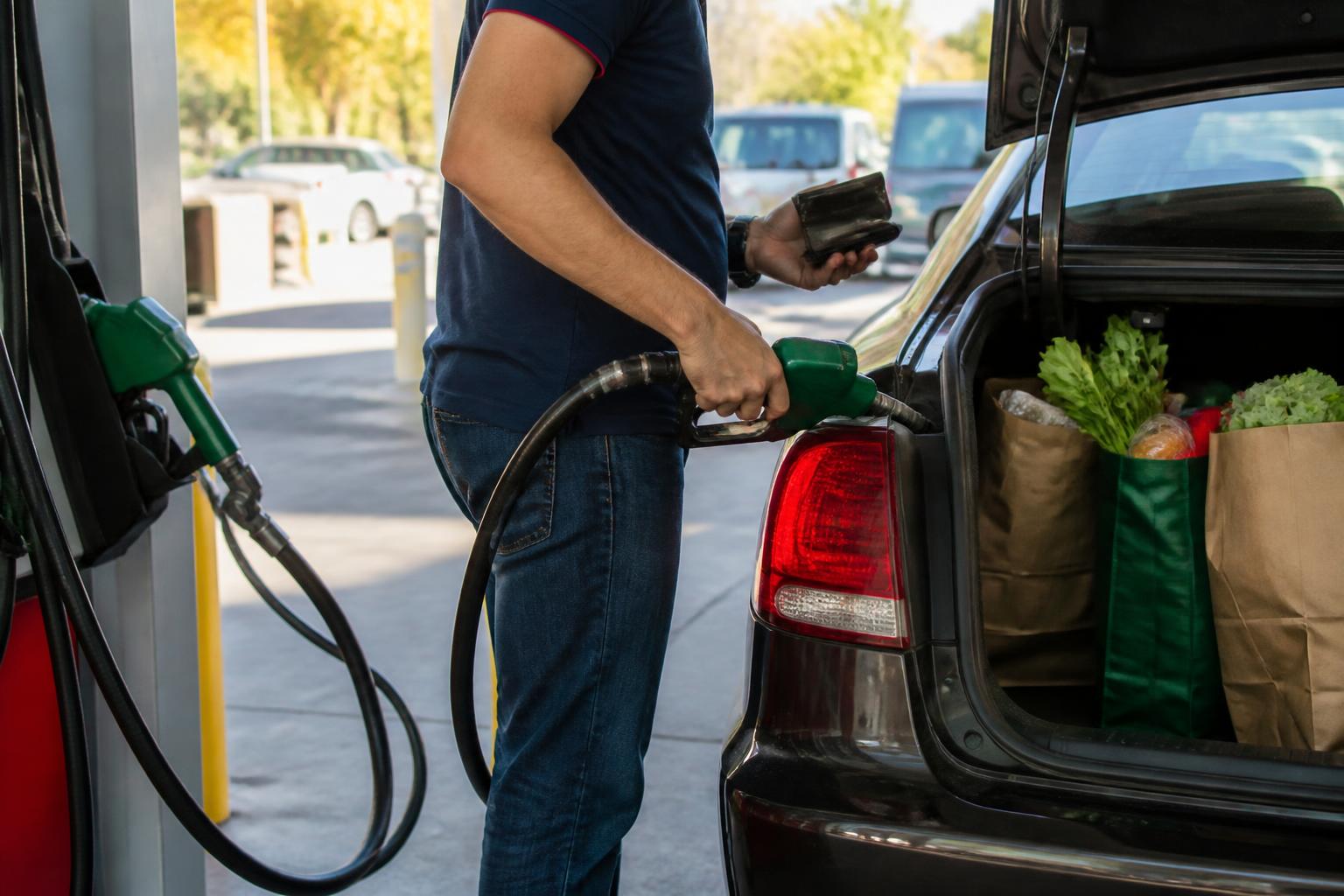
Before Thanksgiving travel in 2021, families had time to plan around fuel costs, changing schedules, and higher prices.
Inflation became a bigger household story in late 2021, especially around groceries, fuel, and everyday bills.
Buy now, pay later offers were becoming more visible ahead of 2021 holiday shopping as consumers looked for ways to manage bigger purchases.
Before the 2021 holiday shopping rush, shipping delays, supply concerns, saved cards, and faster online checkout were already budget issues.
The 2021 FAFSA season still had to account for families whose recent income did not match older tax records.
Before Medicare open enrollment, households could start comparing drug coverage, pharmacies, premiums, deductibles, and plan rules.
Before open enrollment for 2022 benefits, households needed more than a premium comparison after two years of health and income uncertainty.
Borrowers in 2021 needed to prepare for federal student loan payments to restart even as extensions remained possible.
Before a storm claim exists, households can prepare for repairs, deductibles, temporary lodging, and insurance delays.
Peak hurricane season made storm preparation a household finance issue as much as a safety issue.
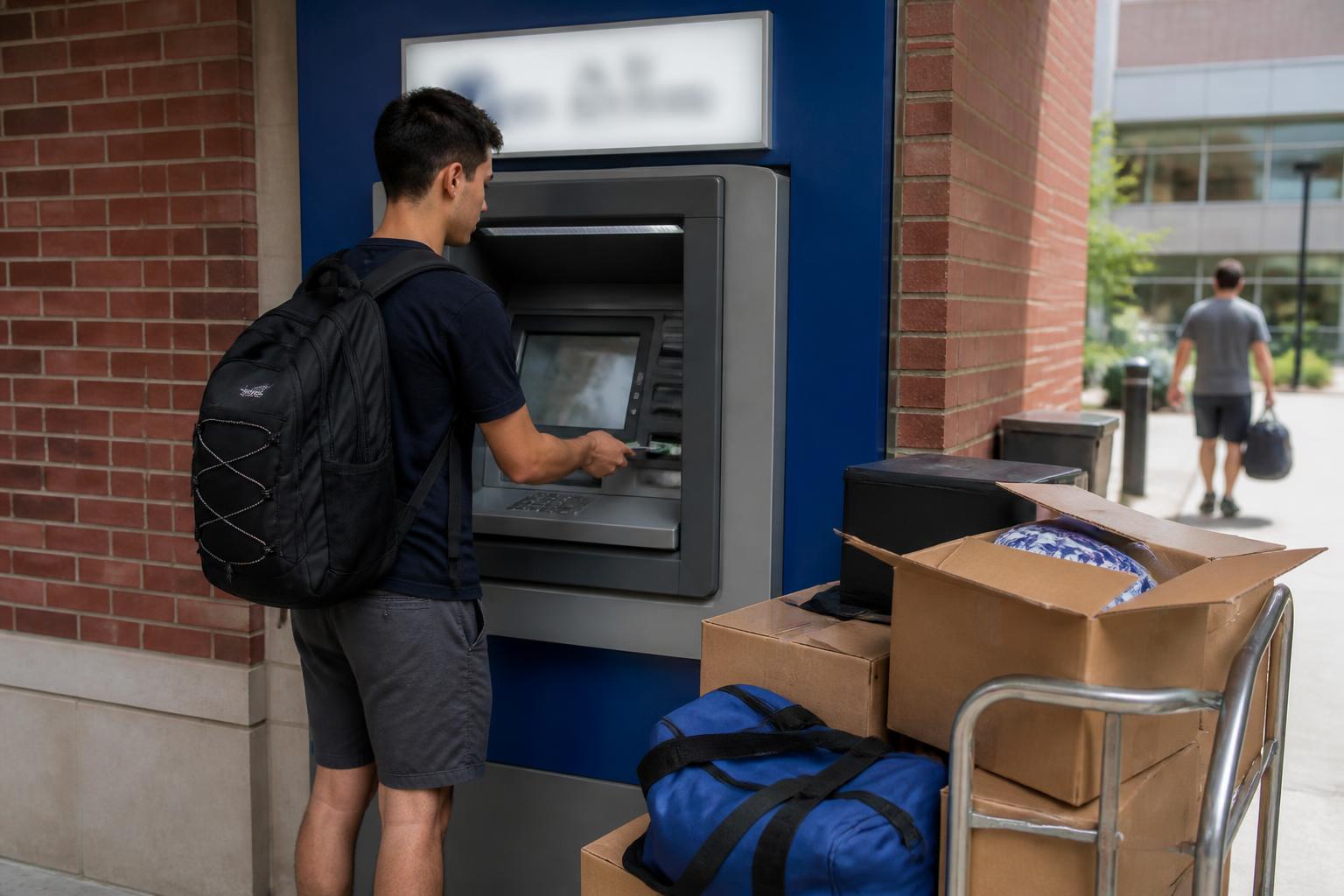
Move-in week can expose weak banking logistics: ATM access, parent transfers, overdraft settings, and emergency card access.
Eviction protections shifted again in 2021, leaving renters with deadlines, declarations, assistance applications, and landlord communication to manage.
Back-to-school shopping in 2021 mixed ordinary supplies with delivery delays, price changes, and technology needs.
Hotels, rental cars, and gas stations can place temporary holds that surprise travelers who rely on one card.
The first monthly advance Child Tax Credit payments began in July 2021 for many eligible families.
Used car shoppers in 2021 faced higher prices, limited inventory, and pressure to stretch loan terms.
Advance Child Tax Credit payments made IRS portals, eligibility, bank information, and monthly timing part of household budgeting.
With the 2021 hurricane season approaching, households had to think about evacuation cash, insurance papers, health needs, and disrupted lodging at the same time.
Student loan borrowers in 2021 had to watch payment pauses, servicer messages, and account access carefully.
More time at home changed electricity, cooling, internet, and device usage for many households.
Memorial Day travel planning in 2021 made card protections, refunds, and fees more important than a simple rewards calculation.
Family care in 2021 often included travel, prescriptions, insurance questions, missed work, and shared bills.
College families in 2021 had to compare aid letters while income, campus plans, and student expectations were still shifting.
As more families considered travel again in 2021, cancellation rules and credits mattered as much as rewards.
Advance Child Tax Credit payments changed the timing of family tax money in 2021.
The IRS extended the 2021 federal individual tax deadline to May 17, giving filers more time but not unlimited time.
The 2021 housing market put buyers under pressure from fast offers, limited inventory, and appraisal-gap conversations.
Pandemic renter protections remained active in 2021, but households still needed documentation and communication.
The March relief debate involved more than stimulus checks, with tax credits, unemployment support, health coverage, and household cash flow all in motion.
Early March relief talks kept another round of household aid in view while rent, utilities, food, and debt bills still competed for cash.
The 2021 filing season made stimulus records part of ordinary tax preparation for many households.
Auto shoppers in early 2021 faced promotions, inventory issues, and household income uncertainty all at once.
Couples sharing cards, rent, subscriptions, or authorized-user access need clearer rules than a rewards pitch can provide.
Remote and hybrid school kept technology, internet, headphones, apps, and workspace costs in the household budget.
Federal student loan payment relief continued into 2021, giving borrowers more time to decide what the paused payment should do.
The IRS announced that the 2021 tax filing season would begin February 12, later than many households expected.
Early 2021 relief payments reached many households while rent, utilities, food, and debt bills were still competing for cash.
The first week of 2021 called for a budget that could handle changed hours, delayed bills, relief payments, and ordinary expenses at the same time.