
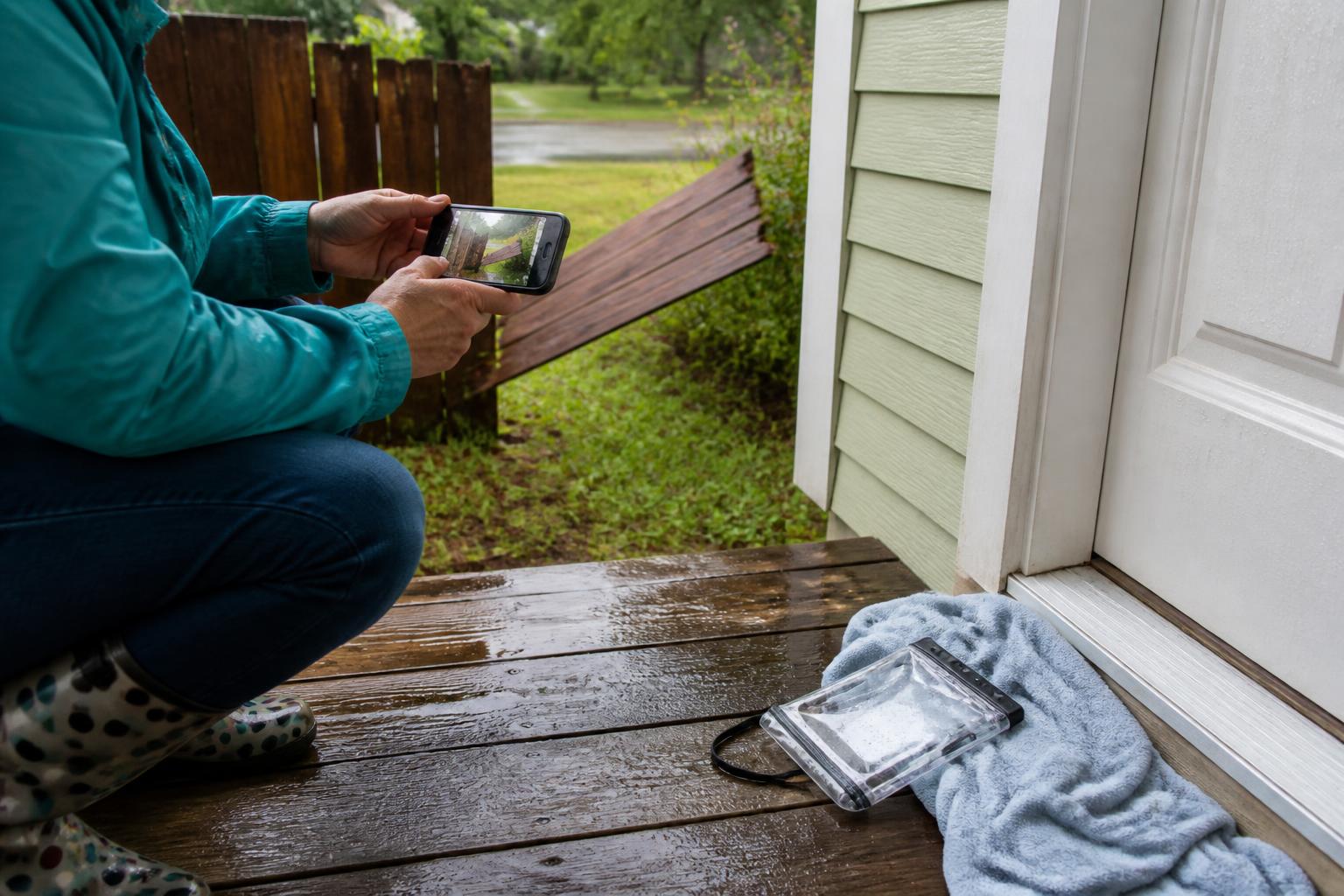
After Matthew, the money work became patient and paper-heavy. Photos, receipts, claim numbers, repair notes, deductibles, lodging, and immediate bills all had to be tracked. The claim and the checking account should be managed separately because reimbursement rarely arrives exactly when expenses do.
Hurricane Matthew put insurance documentation back in the spotlight for coastal and inland households. Photograph damage, keep receipts, and contact insurers quickly after a loss. This is where personal finance gets very concrete. The news may be national, but the consequences usually appear as a payment, a fee, a balance, or a decision at home.
This was not just a seasonal money topic: FEMA's Hurricane Matthew disaster page covered an October 2016 incident period in Florida. Receipts, photos, claim notes, deductibles, and temporary cash needs became household finance tools after the storm. That gave the decision a real-world deadline instead of a vague personal finance theme. Background source: FEMA Hurricane Matthew updates.
News like this is most useful when it turns into a short, practical review. The best response is practical and limited: identify what changed, then decide whether the current plan still works. The first move is straightforward: photograph damage, keep receipts, and contact insurers quickly after a loss. That is the point where a vague concern becomes something a household can actually manage.
Insurance is one of those bills people resent until the day they need it. The important question is not only whether the premium is affordable, but whether the coverage would actually protect the household at claim time. For example, a policy with a lower premium but a deductible the family cannot cover may shift too much risk back onto the household. The cheapest policy can still be too expensive when the claim arrives. If a deal only works when one important cost is ignored, it is not really working. This is also a good moment to check the insurance hub before accepting a provider's first answer.
The household test is simple: can this change a bill, a balance, or a decision before the month ends? My bias is toward plain household math: pull the statement, circle the number, and decide whether it should be lower, paid faster, or protected better. At home, the question is which account, policy, loan, or habit is exposed if the situation moves against the household.
I would start with the bank statement and work outward from there. Before shopping or switching, get the current payment into plain view. For this topic, that means you should read deductibles before there is a claim. Write down the rate, fee, payment, deductible, renewal date, or payoff target. A number in writing is harder to rationalize than a number remembered loosely.
After that, compare coverage limits, not just premiums. The bigger win may be the habit, not the first dollar saved. They do not necessarily need a dramatic change. They may need a lower tier, a different account, a cleaner payoff schedule, or a provider that has to compete for the business again.
Readers should be careful with averages. A national rate, typical fee, or common premium can be useful context, but the household's own credit profile, location, usage, income, and cash cushion decide whether the move makes sense.
If the move involves calling a company, write down the question before dialing. It is much easier to avoid being steered into a new offer when the goal is already clear.
The most useful money decisions are usually made before the bill arrives. Once a statement, renewal, or deadline is on the table, the household has fewer choices and less patience. A rushed consumer tends to focus on the payment due today. A prepared consumer can look at the next three months and ask whether the decision still works after the promotion ends, after the bill renews, or after a new expense shows up.
Memory is not a reliable claims file. That is the moment to slow down. The fine print matters most when the headline looks friendly. The tradeoff can look reasonable: refinance to save interest, use a card for protection, buy insurance for peace of mind, or choose a lower monthly payment. The trouble starts when the fee, term, deductible, or payoff date is left out of the conversation.
For couples, parents, or roommates, the best financial choice is usually the one everyone can explain afterward. If the reason is clear, the follow-through is easier. That conversation can prevent a neat-looking financial fix from creating a practical problem at home.
A good decision should reduce the number of surprises. If it creates new ones, the savings may be more fragile than they look. That note can keep a sensible decision from getting reopened by memory, stress, or a sales pitch.
Hurricane Matthew put insurance documentation back in the spotlight for coastal and inland households. That is the useful version of personal finance news: small enough to act on, but meaningful enough to change the next statement. The point is not to win every financial decision in a single week. The point is to keep the household from sleepwalking into a higher bill, a worse loan, or a balance that could have been avoided.