
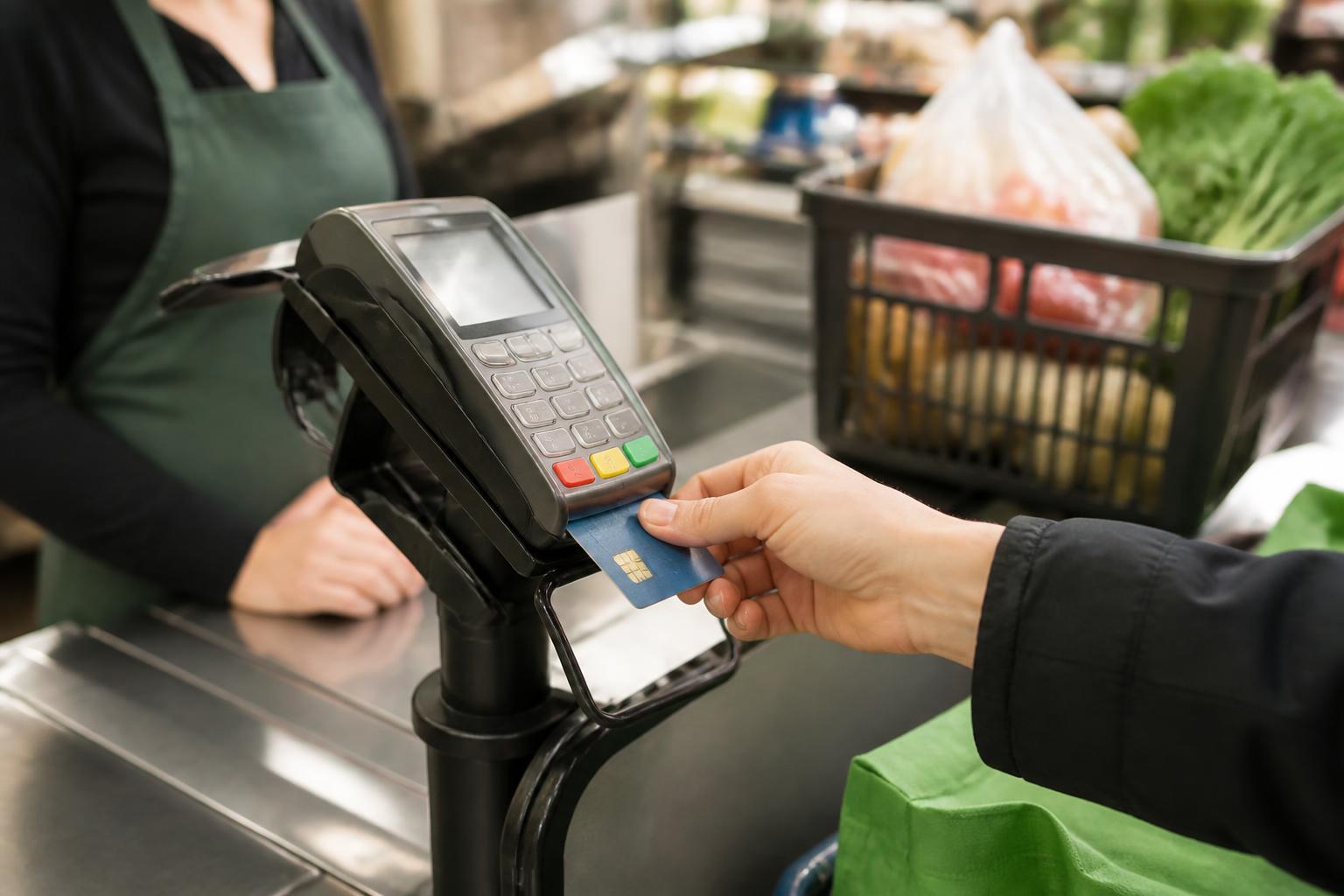
A specific development shaped the week: The U.S. card industry was moving toward the October 2015 EMV liability shift, a change later reflected in Federal Reserve payments reporting. Consumers needed to understand that chip cards improved in-store counterfeit protection without solving online fraud. The household version was simple: check the exposure, then decide whether a change was needed. Original context: Federal Reserve 2016 Payments Study.
American shoppers will see more chip cards in 2015, and the change will create plenty of confusion before it creates confidence. The payment industry is moving toward EMV cards, which use an embedded chip instead of relying only on the magnetic stripe. The biggest deadline is scheduled for October, when liability for certain counterfeit card fraud can shift toward the party that has not upgraded. That sounds like inside-baseball bank language, but consumers will feel it at the checkout counter.
The main thing to know is simple: a chip card is better at fighting counterfeit in-store card fraud. A magnetic stripe stores static information. If that information is stolen and copied, a fake card can be made. A chip creates transaction-specific data, making that kind of counterfeit use much harder. That is a real improvement, especially for card-present purchases.
It is not a complete shield. EMV does not stop every type of fraud. It does not prevent a thief from using a card number online. It does not make weak passwords stronger. It does not excuse consumers from reviewing statements. In countries that adopted chip cards earlier, fraud pressure often moved toward online and phone transactions. That is why the smart consumer response is not, "I have a chip, so I am safe." It is, "I have one stronger layer, and I still need the other layers."
Expect an awkward transition. Some stores will be ready to insert the card. Others will still ask shoppers to swipe. Some terminals will have a chip slot that is not activated yet. Cashiers will be learning, banks will be mailing replacement cards, and consumers will be guessing whether to dip or swipe. A slower checkout line does not mean the technology is pointless; it means a large payment system is being rebuilt in public.
For cardholders, the basic habits remain the same. Review transactions every few days, especially on cards used at gas stations, restaurants, and online merchants. Set alerts for card-not-present purchases and larger transactions. Keep contact information current with issuers so fraud alerts reach the right phone or email. Use BillSaver's credit card hub and monitoring guide to set up a simple routine.
If your issuer sends a chip card, activate it and learn how it works before you are standing in a crowded line. Insert the card chip-first when the terminal asks, leave it in place until prompted, and remove it when the transaction finishes. If the terminal asks for a signature instead of a PIN, that is normal for many U.S. credit cards.
The EMV shift is not magic, but it is meaningful. Consumers should welcome the better security while staying alert to the fraud that follows the path of least resistance.
One practical habit is to keep two cards available: a primary rewards card and a backup card from a different issuer or network. During a transition year, terminals fail, cards get reissued, and fraud alerts can temporarily freeze an account. A backup card paid in full each month protects convenience without increasing debt, and it keeps a checkout problem from turning into a stranded-errand problem.
Merchants will have their own learning curve. Small retailers may delay upgrades because new terminals cost money and staff have to be trained. Restaurants, gas stations, and service businesses may move at different speeds. Consumers should expect inconsistency for a while and resist the urge to blame the cashier for a systemwide transition that is bigger than any one store.
The online side of the wallet deserves special attention. As in-store counterfeit fraud becomes harder, stolen card numbers become more attractive for websites and phone orders. That means stored cards, weak shopping passwords, and reused passwords become bigger risks. A chip on the plastic card does nothing if a thief can log in to a retailer account and place an order with a saved payment method.
The simplest consumer routine is still the strongest: use alerts, review transactions, keep backup payment available, and report fraud quickly. EMV changes the mechanics of a purchase, but it does not change the responsibility to know what is happening on the account. The chip is a tool. It is not a substitute for paying attention.
Business owners have a budget decision as well. Upgrading terminals is a cost, but waiting can create its own exposure if counterfeit fraud shifts to the merchant. Consumers do not need to master liability rules, but they should understand why stores may be moving at different speeds.
Consumers should also avoid treating every checkout problem as a reason to abandon the card. During a transition year, the safer habit is patience paired with monitoring. Use the chip when the terminal supports it, keep the receipt when something feels off, and let the statement confirm that the transaction posted correctly.