
Saving Money4 min read
Build The 2016 Budget From The Bills That Changed
John Oldshue · December 28, 2015
The last week of 2015 is a better budgeting window than the crowded first week of January.

Year archive
BillSaver articles published in 2015.
The last week of 2015 is a better budgeting window than the crowded first week of January.

The week before Christmas is not the time for a heroic financial overhaul, but it is enough time for a short checklist.

The December 2015 Fed meeting had households watching for the first rate hike in years, which made variable-rate debt worth reviewing before the decision.

December balance transfer offers can look like relief, especially after a costly shopping weekend.

Giving Tuesday brings legitimate generosity and opportunistic fundraising into the same inbox.

Black Friday shoppers often use credit cards for fraud protection and rewards, but those benefits do not erase interest charges.

Lower fuel prices can make Thanksgiving travel feel cheaper than prior years.

Veterans Day is a good moment for military households to review credit protections, deployment rules, and interest-rate rights.

Employer open enrollment can change take-home pay, medical risk, and tax savings for the next year.

By late October, costumes, candy, parties, travel plans, and gift lists are already competing for the same holiday budget.

Medicare open enrollment is a reminder that health coverage can change even when the household's needs do not.

Layaway promotions are appearing before the holiday season is fully underway.

The new mortgage disclosure process is now in effect, giving buyers a clearer view of closing costs if they read the forms.

The October EMV liability shift is a major payment-security milestone, but fraud does not disappear when checkout terminals change.

With the EMV liability shift days away, shoppers should expect mixed instructions at the register.

The September 2015 Fed meeting kept borrowers and savers focused on the first rate increase in years.

Preparedness Month is not only about flashlights and water; it is also about being able to function financially after a disruption.

Labor Day auto ads can make the deal look urgent, but the financing terms determine whether the savings are real.

Late August market volatility reminded households that money needed soon should not be riding the stock market.

The strong U.S. dollar in 2015 made some international travel feel cheaper, especially for families watching exchange rates.

Student phone upgrades are easy to justify in August, but the device deal can reshape the family's monthly bill for years.

As mortgage paperwork rules move toward implementation, buyers should expect lenders to be more careful with timing and documents.

For many 2015 graduates, the loan grace period has begun, but that does not mean repayment planning should wait until fall.

Summer travel puts cards in hotels, gas stations, restaurants, airport kiosks, and unfamiliar terminals.

Back-to-school promotions are starting earlier, and families can spend a lot before the school supply list is even final.

Rate-hike talk in summer 2015 is a warning that variable credit card balances may not stay at today's cost forever.

The halfway point of the year is when financial resolutions are either becoming habits or quietly disappearing.

The 2015 Supreme Court attention on health insurance subsidies showed how policy uncertainty can reach household budgets quickly.

Father's Day is sentimental, but it is also a useful reminder that income protection is part of caring for a household.

As markets watch the Federal Reserve in June 2015, consumers with variable-rate debt should know which balances could become more expensive.

The start of hurricane season is a poor time to discover that the deductible on a home policy is much larger than expected.

Memorial Day sales put monthly payments in large type and loan terms in smaller type.

Travel cards look appealing as summer plans take shape, but the value disappears quickly when airfare or hotel spending becomes revolving debt.

Graduation season brings new jobs, apartment applications, student loan grace periods, and the first real pressure to build credit carefully.

Mortgage disclosure changes scheduled for 2015 are a reminder that closing costs deserve as much attention as the advertised rate.

Late April is decision time for many college families, and award letters can make very different schools look confusingly similar.
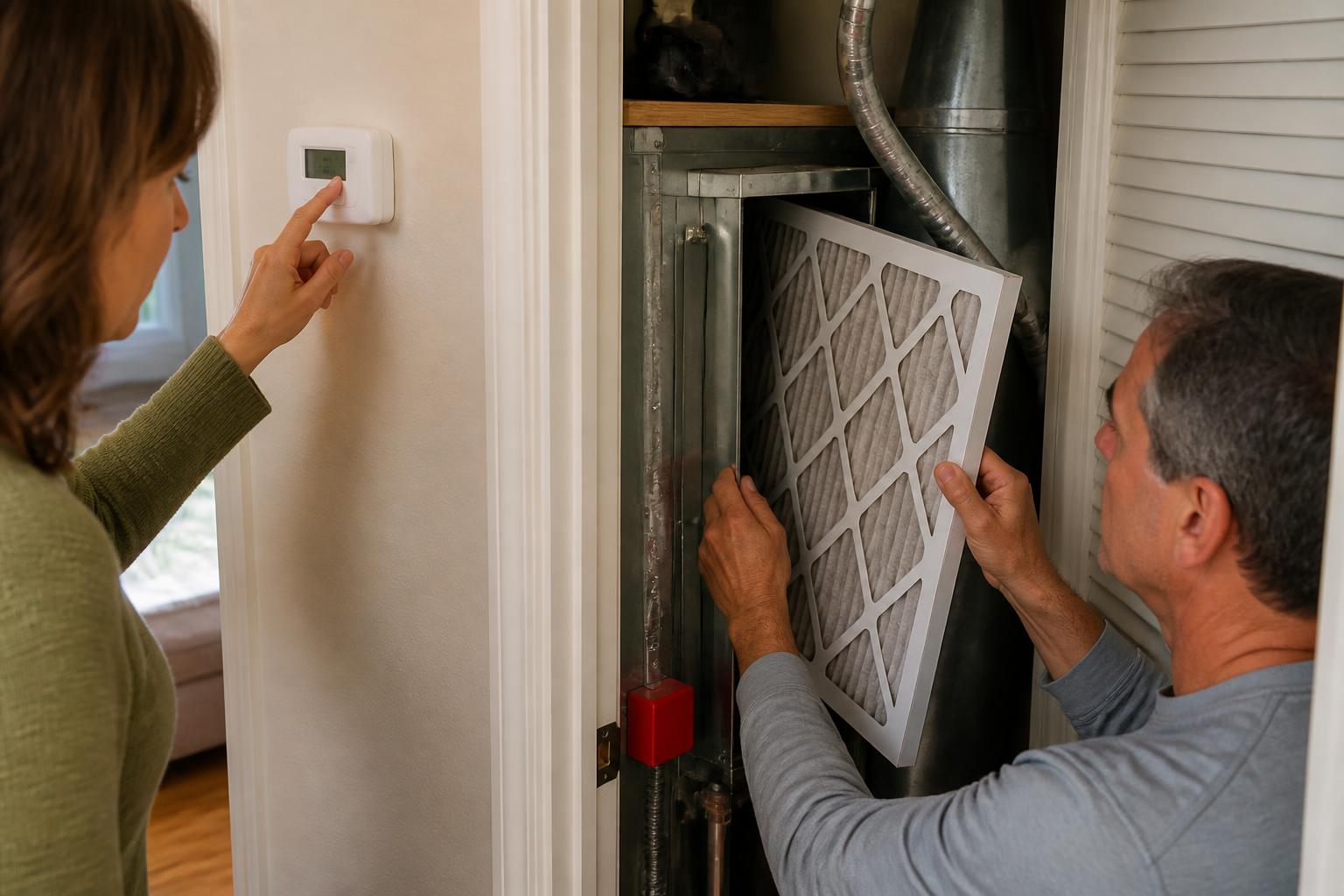
Earth Day can turn into a shopping holiday if families buy efficient gadgets before checking the waste already inside the monthly utility bill.

The tax deadline creates panic for people who can file a return but cannot pay the full amount owed.

Early April is when many filers see whether last year's paycheck math worked or simply created a large delayed refund.
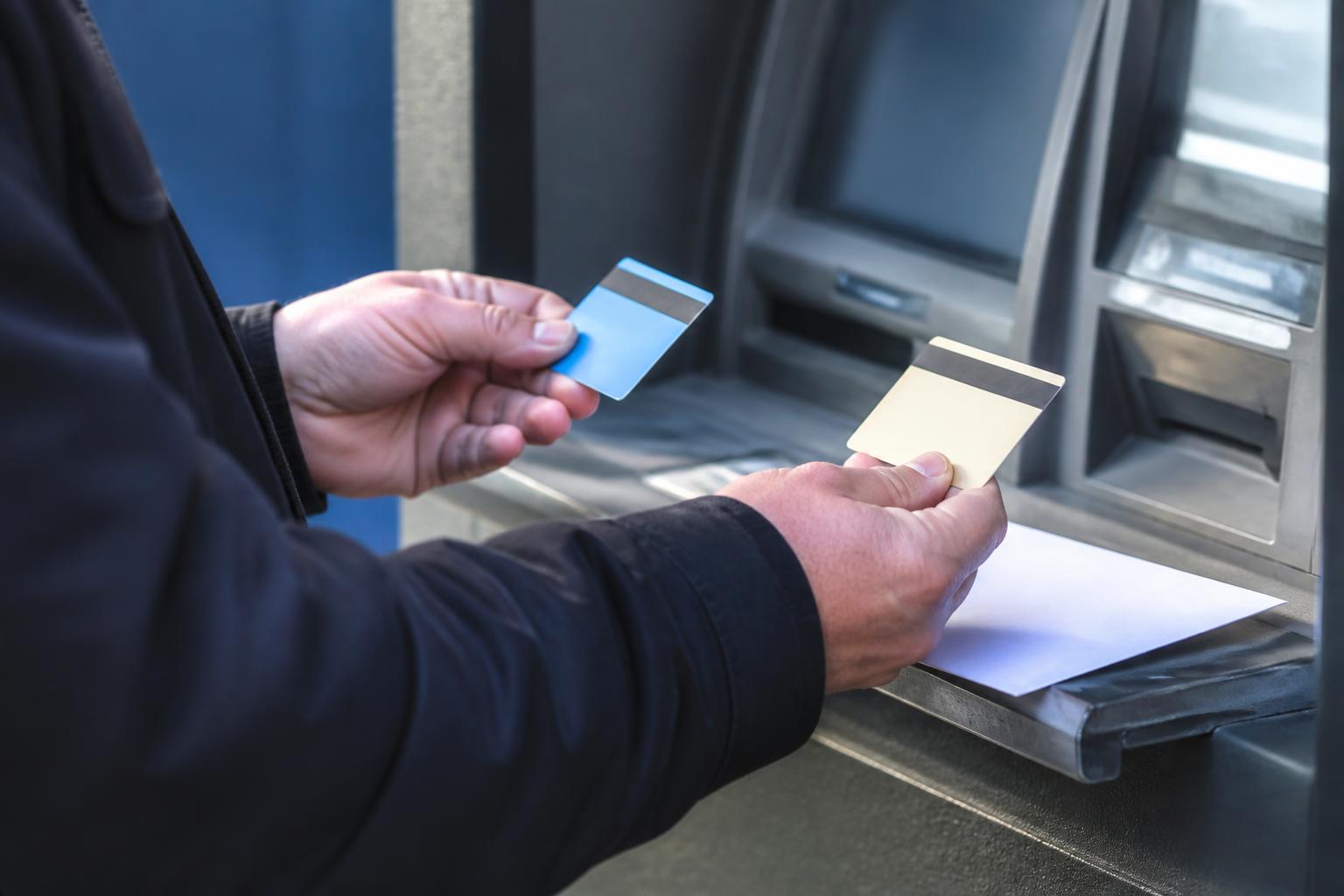
Refund season is moving money into millions of households, and the way that refund arrives can affect how much of it is still available a month later.

The large health-insurer breach reported in early 2015 made identity theft feel less theoretical for families that had never lost a wallet or credit card.

Spring homebuying season is beginning, and buyers who wait until the loan application to check credit can lose time, leverage, and sometimes the house they wanted.

As markets watch the Federal Reserve in 2015, consumers should understand how higher short-term rates could affect savings, credit cards, mortgages, and loans.
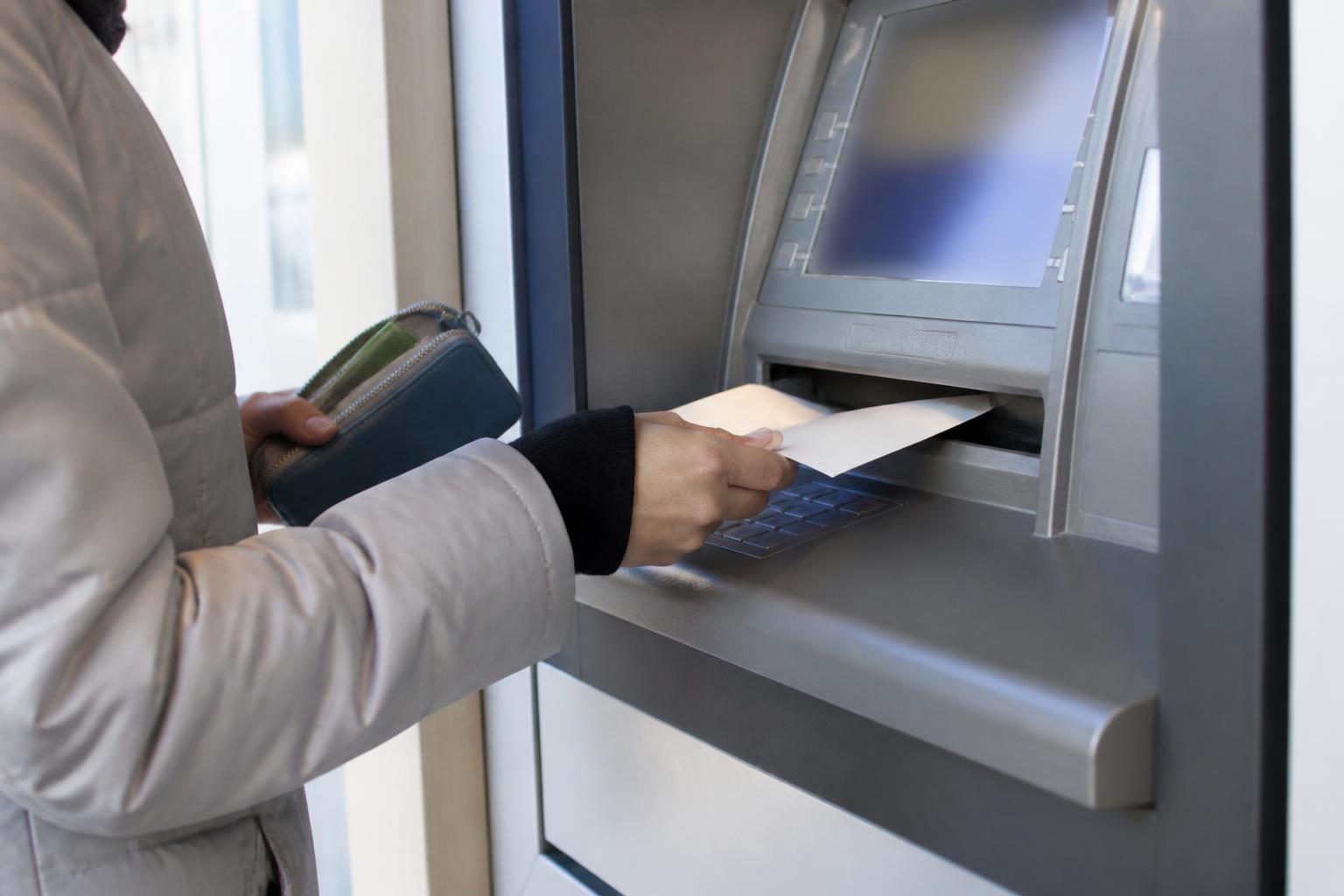
A tax refund can disappear quickly unless it is assigned to debt, savings, repairs, and goals before it reaches the checking account.

New refinancing options are drawing attention from student loan borrowers in 2015, but a lower rate can come with lost federal loan benefits.

Wireless plans keep changing, and early 2015 is a good time to compare actual data usage with the plan sitting on your bill.
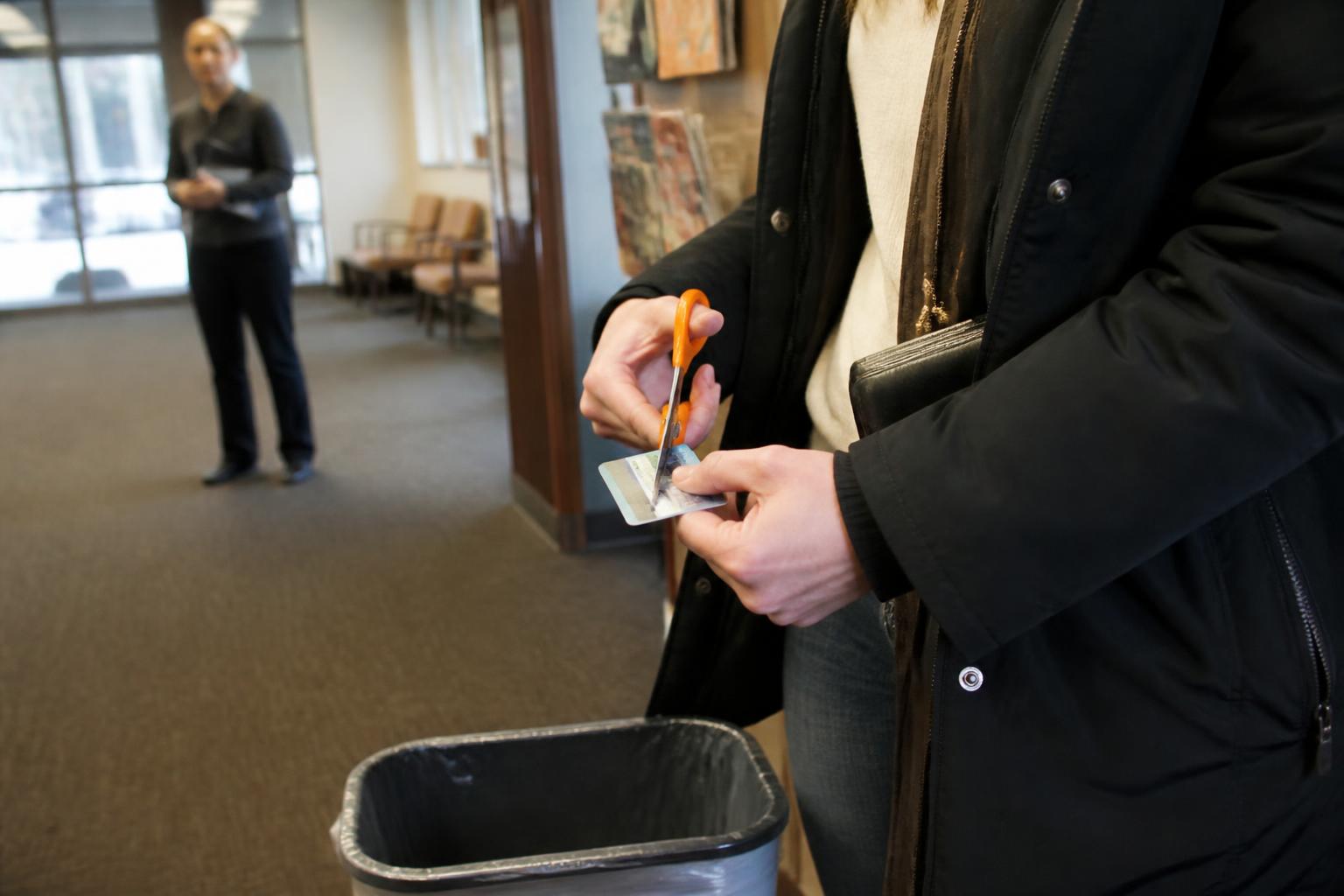
A 0% balance transfer can help with credit card debt, but borrowers need to calculate the fee, payoff window, and post-promo APR before moving balances.

Gas prices gave many households a break in early 2015, but the savings only matter if drivers capture them before they vanish into everyday spending.

The October 2015 EMV liability shift is months away, but consumers should understand now what chip cards can and cannot do.

As 2015 tax filing begins, refund fraud and identity theft should be treated as household finance issues, not just paperwork problems.

With mortgage rates still low in early 2015, homeowners who skipped refinancing in prior years have a fresh reason to run the numbers instead of relying on old assumptions.

The first week of 2015 is a useful moment to review monthly bills, because lower fuel costs and modest wage gains can disappear quickly if recurring charges keep climbing.