
This was not just a seasonal money topic: The IRS opened the 2015 filing season on January 20 and was already warning taxpayers about refund fraud and identity-theft risk. Filers had to treat document security, direct deposit details, and suspicious notices as practical money issues. That gave the decision a real-world deadline instead of a vague personal finance theme. Background source: IRS 2015 filing season notice.
Tax season has become identity theft season for too many households. The first filing weeks of 2015 bring the usual rush to collect W-2s, 1099s, mortgage statements, tuition forms, charitable receipts, and last year's return. They also bring a less pleasant task: making sure nobody else files a return in your name before you do.
Refund fraud works because a tax return contains enough information to turn a stolen identity into cash. A thief who has a Social Security number, date of birth, and a rough idea of income can try to file early and direct the refund to an account or prepaid card. The real taxpayer may not discover the problem until an electronic return is rejected or an IRS notice arrives. By then, the refund can be delayed for months.
The practical answer is not panic. It is speed and discipline. File as early as you reasonably can once your forms are accurate. Do not file with guessed numbers, because fixing a bad return creates its own problems, but do not let a simple return sit untouched until April. Early filing reduces the window in which someone else can get there first.
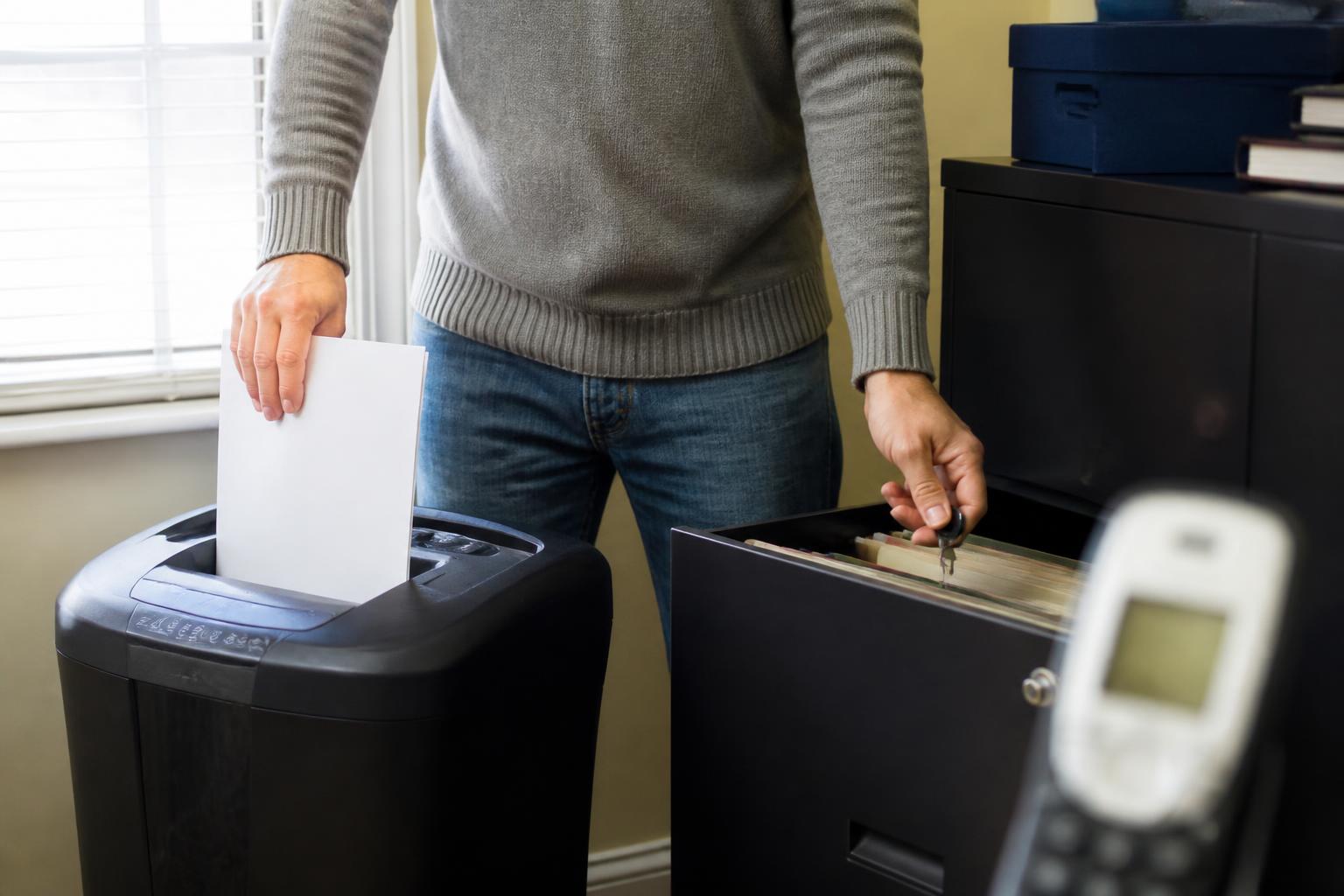
Protect the documents that make filing possible. Do not leave tax forms in a mailbox for days. Shred drafts and old worksheets that include Social Security numbers. If you use a preparer, ask how your documents are transmitted and stored. Emailing a full tax package without secure upload or encryption is convenient in the same way leaving a wallet on a restaurant table is convenient. It saves a minute until it costs you months.
This is also a good week to check your credit. Tax refund fraud does not always create a credit report problem, but the same stolen information can be used to open accounts. BillSaver's free credit report guide and credit monitoring guide can help you watch for accounts you do not recognize. If you already know your information has been exposed, consider a fraud alert or credit freeze depending on your risk and how much new credit you expect to seek.
Watch for fake IRS calls and emails. The IRS does not need your debit card number by phone to release a refund, and a threatening caller is not made legitimate by knowing the last four digits of a Social Security number. When in doubt, hang up, go directly to the agency's official site, and use a verified contact path.
A tax refund is often a household's largest single financial event of the year. Treat the identity behind it as an asset. File promptly, protect the paperwork, monitor the credit file, and make scammers work somewhere else.
If something feels wrong, document it immediately. Save letters, write down dates, and keep copies of reports or forms submitted to agencies and financial institutions. Identity theft recovery is easier when the victim can show a clean timeline. It is tedious work, but a careful file can prevent a second round of confusion when another bank, collector, or government office asks for proof.
Families should also talk about who is allowed to handle tax documents. In many households, forms get forwarded between spouses, parents, adult children, and preparers with very little thought. That creates extra copies and extra chances for mistakes. A simple rule helps: one folder, one secure delivery method, and one person responsible for confirming that everything arrived.
If a refund is expected, direct deposit is usually faster and cleaner than waiting on a paper check. But speed should not come at the expense of accuracy. Confirm routing and account numbers from the bank's own records, not from an old note or memory. A typo on a tax return can create a frustrating delay, and a shared or closed account can complicate the refund process.
Identity theft prevention can feel unfair because the honest taxpayer has to do extra work. Still, the work is lighter before there is a problem. Filing early, securing documents, using strong passwords, and checking credit reports are not exciting chores, but they are far better than trying to unwind a fraudulent return after the refund is gone.
Parents should be careful with children's information too. A child may not have a credit history, which makes misuse harder to spot. Keep Social Security cards, school forms, medical paperwork, and old tax documents in one protected place, and do not carry those numbers around unless there is a real need.
The best protection is a boring routine that gets repeated every year. File early when the paperwork is ready, use a secure preparer, keep copies in one place, and review credit reports after filing season. None of those steps guarantees a quiet year, but together they make a thief's job harder and a taxpayer's recovery easier.